
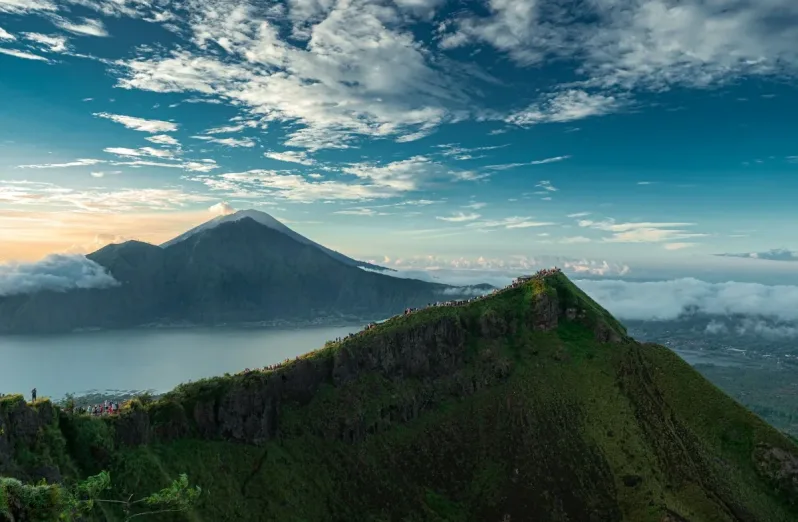
Bob’s Besties, if you’ve ever looked up while lounging on a beach in Sanur or wandering through the rice paddies of Sidemen, you’ve definitely seen it—the massive, cone-shaped giant dominating the horizon. That’s Mount Agung, the towering soul of the Island of the Gods!
Mount Agung is an active volcano considered the holiest site on the entire island. For the Balinese Hindu people, this peak is the “Navel of the World,” the dwelling place of the gods, and the spiritual center of the universe. It’s a place where the earth meets the sky, wrapped in deep-rooted legends and a presence so powerful you can feel it even from miles away.
Curious about the stories behind this majestic giant? Grab a coffee, get comfy, and read on into everything you need to know about this legendary peak!
Also Read: Bali’s Hidden Gem: 7 Best Adventures in Kintamani
Mount Agung Bali: All You Need to Know
Before you lace up those hiking boots, let’s get the basics down. Mount Agung Bali is located in the Karangasem Regency, in the eastern part of the island. It’s the highest point in Bali, and trust Bob, the views from the top make you feel like you’re literally standing on the roof of the world!
The stats and science
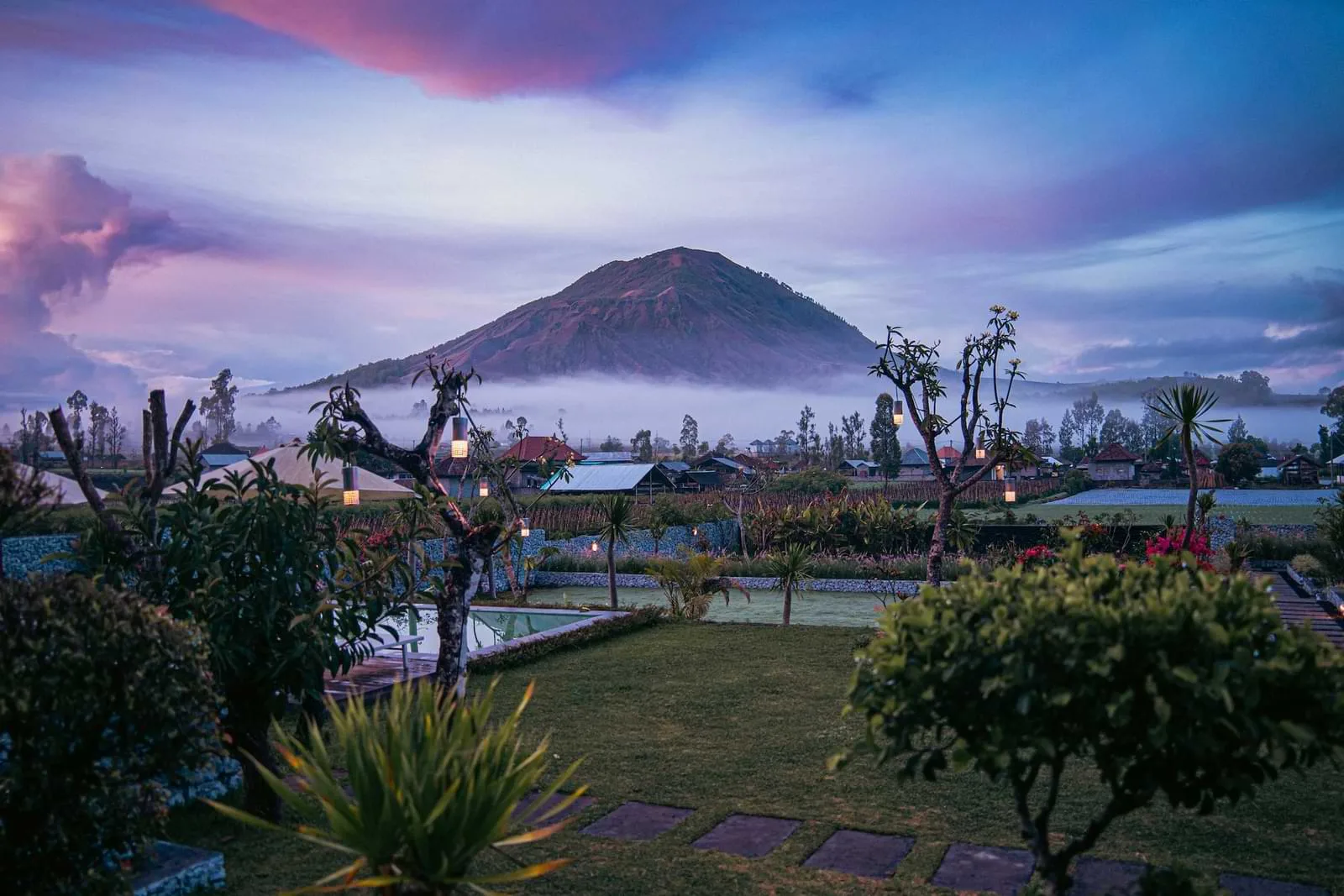
Photo: Ayadi Ghaith via Unsplash
- Mount Agung Height
Standing at a staggering 3,142 meters above sea level, it completely dwarfs its neighbor, Mount Batur.
- Geological Profile
It is a stratovolcano, known for its symmetrical profile. Because it’s an active volcano, the landscape around it is incredibly fertile, covered in lush forests that eventually give way to rugged, volcanic rock as you climb higher.
- Recent Activity
It’s worth noting that Agung is “awake.” Its last major eruption series between 2017 and 2019 reminded everyone of its raw power, often creating dramatic plumes of ash that are as beautiful as they are humbling.
The mountain significantly influences Bali’s climate. It acts as a giant rain barrier, catching clouds and ensuring the south of Bali stays lush and green, while the north and east can be a bit drier. It’s basically the island’s natural air conditioner and water fountain rolled into one!
The Spiritual Significance of Mount Agung
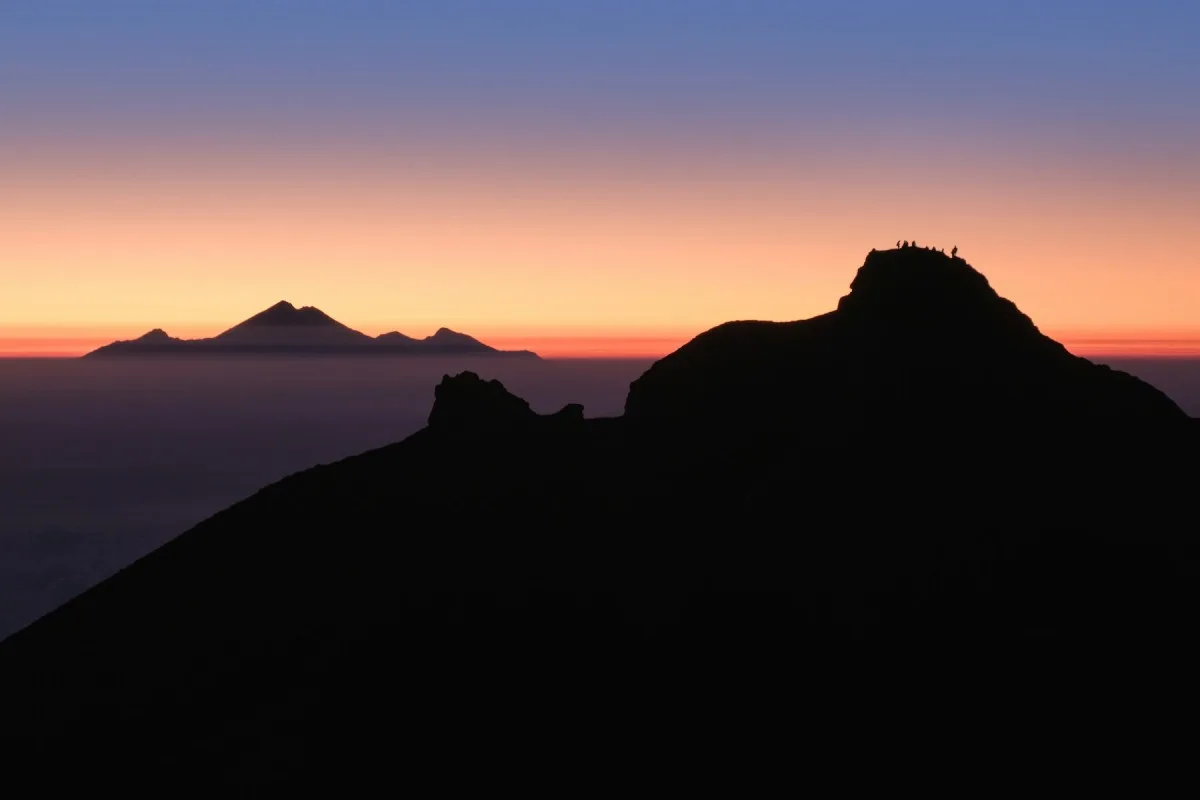
Photo: Joshua Kettle via Unsplash
To understand Bali, you have to understand the spiritual gravity of this mountain. The Balinese believe that Mount Agung is a replica of Mount Meru, the central axis of the universe in Hindu mythology.
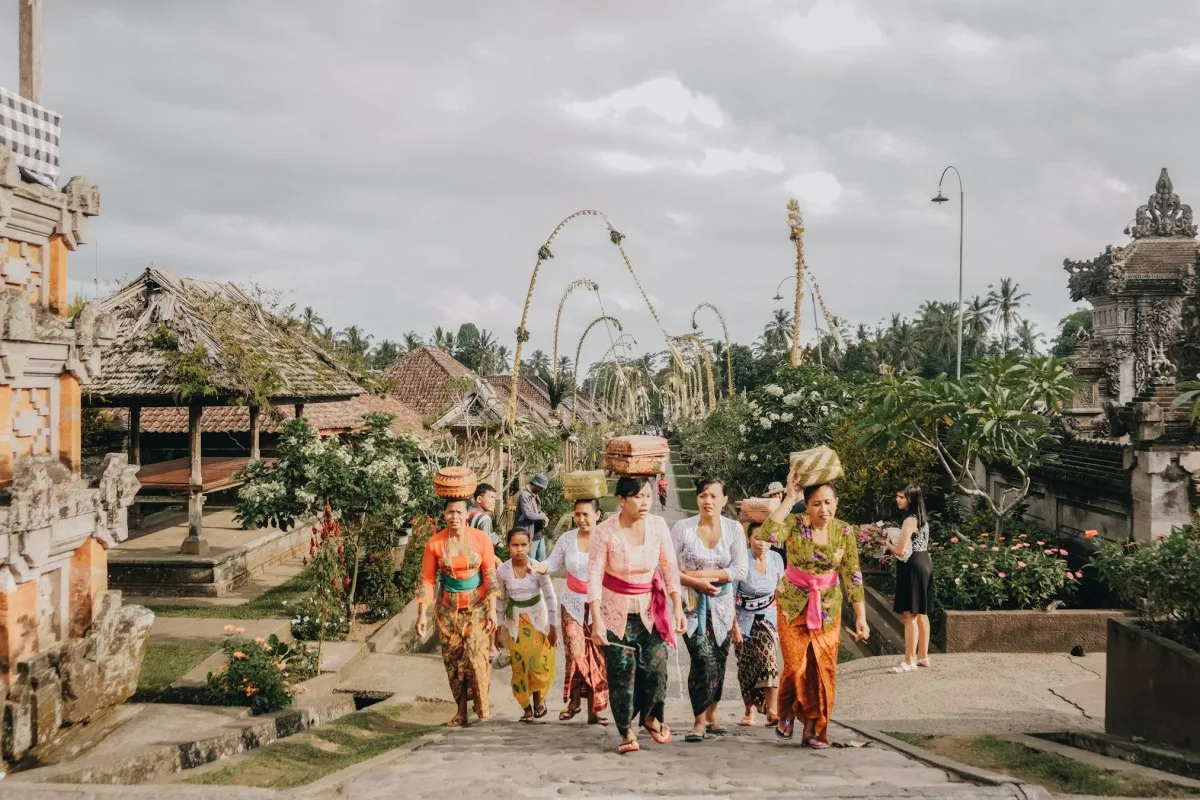
The mountain is so sacred that most Balinese people sleep with their heads pointing toward it (a direction known as kaja). It is believed that the spirits of ancestors and the gods reside on its slopes. Because of this, the mountain is treated with the utmost respect. You’ll often see locals performing elaborate ceremonies at the base or even near the crater to maintain the balance between the human and spirit worlds.
Perched high on the southwestern slopes of Mount Agung is Pura Besakih, the “Mother Temple” of Bali. This is the largest and most important temple complex on the island, consisting of over 80 individual temples.
Do you know that during the massive 1963 eruption, lava flows missed Pura Besakih by mere yards? The Balinese saw this as a miraculous sign from the gods that they intended to protect their most sacred shrine!
If you visit Besakih, you’ll be greeted by grand staircases and ancient stone structures that look even more mystical when the mountain mist rolls in. It’s a place of deep peace and incredible architectural beauty you shouldn’t miss!
Also Read: 13 Kintamani Bali Cafe with Magnificent Mountain Views
Guide to Climb Mount Agung
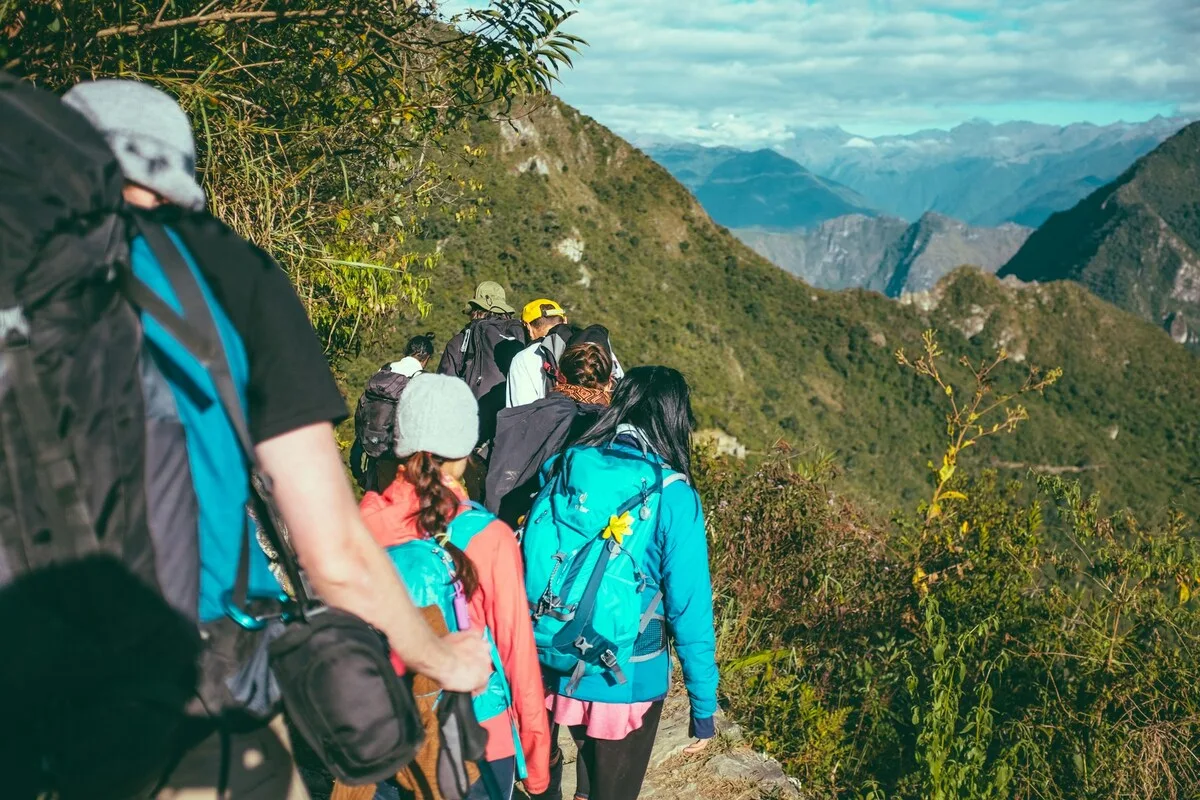
Photo: Ashim D’Silva via Unsplash
Now, let’s talk about adventure, Bob’s Besties!
A Mount Agung hike is often described as one of the most challenging yet rewarding treks in Southeast Asia. This isn’t your casual Sunday stroll because when you’re on its track, it’s a test of grit, but the reward is a sunrise that will stay with you forever!
One of the most frequently asked questions is “Is it safe”? Well, since Mount Agung is an active volcano, you must check the current activity levels and status from the Indonesian Center for Volcanology and Geological Hazard Mitigation (PVMBG). If there’s an exclusion zone in place, Bob encourages you to respect it.
Beyond volcanic activity, the climb itself is physically demanding. You should be in good physical shape, and hiring a local guide is mandatory. Not only is it easy to lose the trail in the dark, but the mountain’s sacred status means there are specific cultural “dos and don’ts” that guides will help you navigate.

Popular trekking routes
There are two main routes to reach the top, depending on how much of a challenge you’re looking for:
- Via Pura Besakih (The High Peak)
- The Goal: The absolute summit at 3,142m.
- Duration: 6–7 hours up, 5–6 hours down (12+ hours total).
- Intensity: Very high. This involves a lot of steep climbing and sometimes scrambling on all fours!
- Via Pura Pasar Agung (The Lower Rim):
- The Goal: The crater rim is approximately 2,866m.
- Duration: 3–4 hours up, 3 hours down.
- Intensity: Moderate to high. This is the more popular route for those who want the view without the 12-hour marathon.
Also Read: 5 Things to Do for a Sustainable Trip in Bali
Best time to hike
The best window for a Mount Agung hike is during the dry season, from May to October. Climbing during the rainy season (November to March) is not recommended, as the paths become incredibly slippery, and clouds will likely block your hard-earned view.
Bob’s pro tips for the trail
- Start at midnight
Most treks begin around 11 PM or 12 AM to ensure you reach the summit by sunrise.
- Layer up!
It might be tropical at the beach, but at 3,000 meters, it is freezing! Don’t forget to bring a windbreaker and warm layers with you!
- Respect the sacred
Do not bring beef products (sacred in Hinduism), and always follow your guide’s instructions regarding prayer or taboo areas.
Also Read: Cultural Nightlife in Ubud: 6 Memorable Things to Do in Ubud at Night
Weary Legs? Rest at Bobocabin Bali!
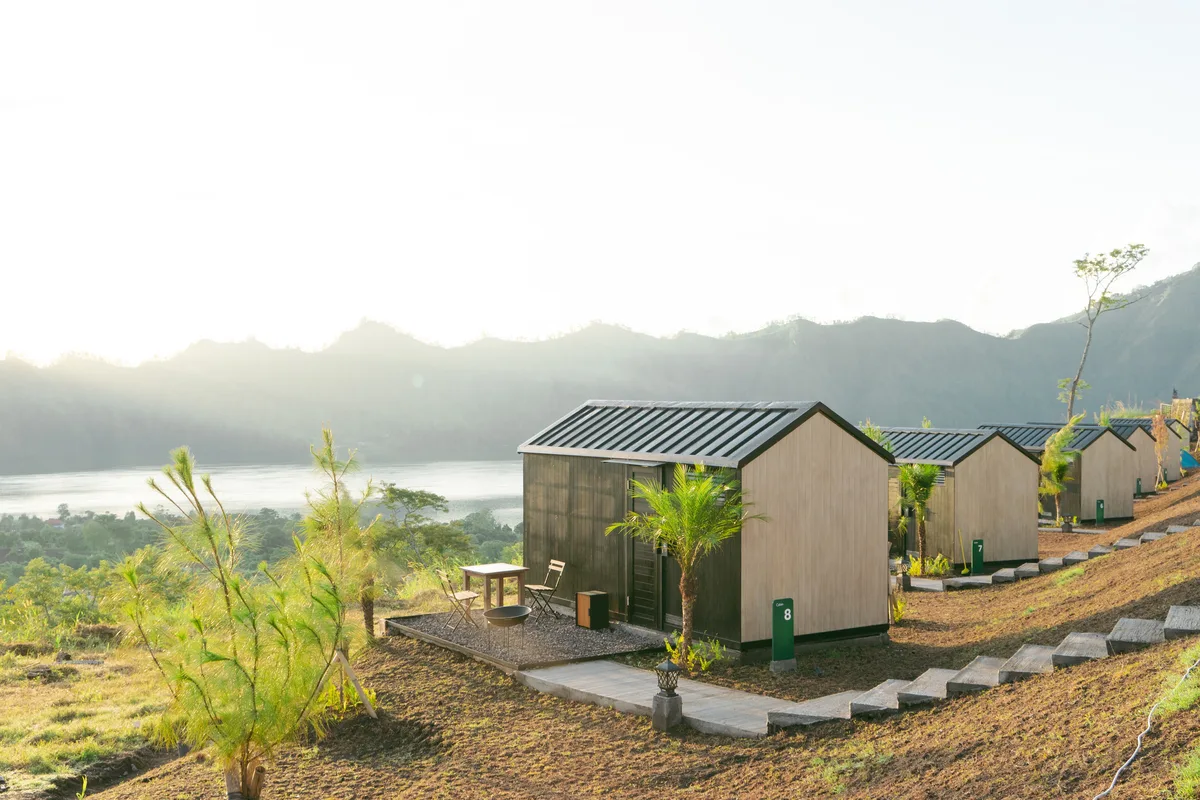
Photo: Bobobox Internal Asset
After conquering the highest peak in Bali, your muscles are going to need some serious TLC. There’s no better way to transition from the rugged volcanic slopes to total relaxation than by retreating into nature—without sacrificing comfort.
If you want to stay close to the mountain vibes, Bobocabin Kintamani is the perfect choice! Imagine waking up to a view of Mount Batur and Lake Batur from your window all at once glance, while the silhouette of Mount Agung looms in the distance. It’s the ultimate spot to soak in a hot bath and breathe in the crisp mountain air, right?
Alternatively, if you prefer to head back toward the cultural heart of the island, Bobocabin Ubud offers a serene escape nestled in the lush greenery Ubud is famous for. It’s quiet, tech-savvy, and incredibly cozy—exactly what you need after a 12-hour trek!
Ready to start your Bali adventure? Download the Bobobox app today to book your cabin and enjoy a seamless, high-tech stay in the heart of Bali’s most beautiful landscapes. See you in the mountains, Bob’s Besties!
Writer: Ratna Asih
Featured photo: Pascal van de Vendel via Unsplash