Solo Hiking Tips – You might be used to the hustle and bustle of the city, with its headache-inducing traffic and lack of greenery. You might start thinking of activities to do outside of your daily routine, a chance to escape and refresh your mind.
One of the ways to do that is through hiking. Aside from admiring the surrounding scenery and relieving stress, you get to exercise those muscles. The walk can help build your leg muscles and has been proven to be beneficial for the heart.
Despite the physical and health benefits, you might still have some doubts about going on your own. Is it safe? What do you need to pack? What if you got lost? Worry no more, because we’ve compiled the solo hiking tips below!
Read Also: The Journey to Well-being: Reviving Mind, Body, and Soul for a Better Life
Is It Safe to Hike Alone?

To ease your mind, we’ll dive right into the common question everyone has when they consider going solo hiking: Yes, solo hiking is safe with proper preparations.
Knowing how to keep yourself to stay safe safe is important during an outdoor journey. At least, you must know a little about self-defense and basic survival skills such as first aid.
Aside from that, you should also bring the essentials to ensure a safe solo hiking trip. Some things to bring if you ever plan to go solo hiking:
- food and water
- flashlight
- first aid kit, sunscreen, bug-repellant spray
- survival kit (matches, butterfly knife, needle, thread, etc.)
- change of clothes
- raincoat
Benefits of Solo Hiking
1. Going at Your Own Pace
The first benefit of going on a solo hiking trip is that you can go at your own pace. From choosing the location, the duration of the trip, to how many times you want to take a break, it’s entirely up to you.
Sure, a group hiking trip can give you a sense of safety in numbers, but it doesn’t feel as empowering as if you were deciding to hike alone with your own adventure and being your own boss. The sense of control can also help in soothing some anxiety you might still have about going alone.
Along the way, you’ll also have to make some decisions for yourself. Simple things like which path to take or where to set up your tent can help build your confidence and trust in your own judgment.
Hopefully, that newfound confidence on your first solo hike can also be extended to other parts of your life.
2. Allow for some Self-Reflection

Daily routine sometimes can be a little hectic, making us distracted most of the time with barely any time to just be alone with our thoughts.
Solo hiking is the perfect chance to reconnect with yourself. It allows some time to really hear your own thoughts and reflect, without anyone else interrupting or adding to those thoughts.
Sometimes it can even lead to self-awareness of what to improve and what to fix. A solo hiking trip can help you become a better version of yourself when you take the time to really listen. First solo hike would be a great choice for you to have some time alone and just focus on yourself
3. Meeting New People
When you go on a solo hiking trip, chances are you’re not the only one following the trail. You’ll find other people with similar interests to you, which allows room for new connections to be made along the way.
Meeting new people is a great learning experience, too. This is especially important when you’re a beginner, as you might get tips on hiking from them.
Aside from that, you can also share ideas and take in different perspectives, allowing some more room for new inspiration.
Read Also: Try These 9 Yoga Exercises for Beginners!
4. No Need to Wait to Start Your Wish List
Have you ever wanted to start a new activity on your wish list but decided against it because you couldn’t find anyone to accompany you? This is where the concept of hiking alone can offer valuable advantages.
You won’t need to depend on others’ availability for hiking alone, and you’ll have the freedom to independently decide where you want to go and how long you want for a solo hike. Hiking alone can also let you explore anything by yourself and fulfill your wish list as well.
5. Build Your Personality
Moving away from the physical aspect, embarking on solitary hikes can serve as a substantial exercise in personal growth.
It demands and simultaneously cultivates authentic self-confidence. It can nurture a strong sense of self-reliance, affirming your complete capability to venture solo.
Accomplishing tasks independently can also instill a profound sense of achievement. These attributes can prove beneficial in various other life scenarios.
6. Personal Challenge to Push Your Limit
Solo hiking is a unique challenge that relies entirely on your navigation, decision-making, and problem-solving skills. Navigating the trail alone forces you to trust your instincts and make independent decisions, enhancing both outdoor survival skills and self-confidence.
This heightened self-reliance, developed through overcoming challenges in solitude, extends beyond the hiking experience, positively influencing various aspects of life. In essence, solo hiking becomes a metaphorical journey of self-discovery and empowerment, reinforcing your belief in your abilities to navigate both the wilderness trails and the challenges of life.

First Solo Hike Tips and Planning
1. Research The Trail
The first thing to do when planning a solo hiking trip is to determine the trail. Do your research about the terrain, distance, duration, and things to watch out for, e.g., animals or hazardous plants on the trail you’ll head out on.
You might want to start with a short hiking trail that doesn’t require camping out. Later on, you can start increasing the difficulties as your comfort zone and hiking skills grow.
2. Check The Weather Forecast
Another hiking tip is to consider the weather conditions at that moment. It’s not to say that weather forecasts are a hundred percent accurate, as weather can change abruptly, especially in the mountain areas.
However, knowing the forecast can give you a bonus insight into the risks you’ll face. Just remember that if the weather looks bad, you might want to take a rain check.
Read also: From Mental Clarity to Physical Fitness: The Incredible Benefits of Hiking
3. Bring a Map
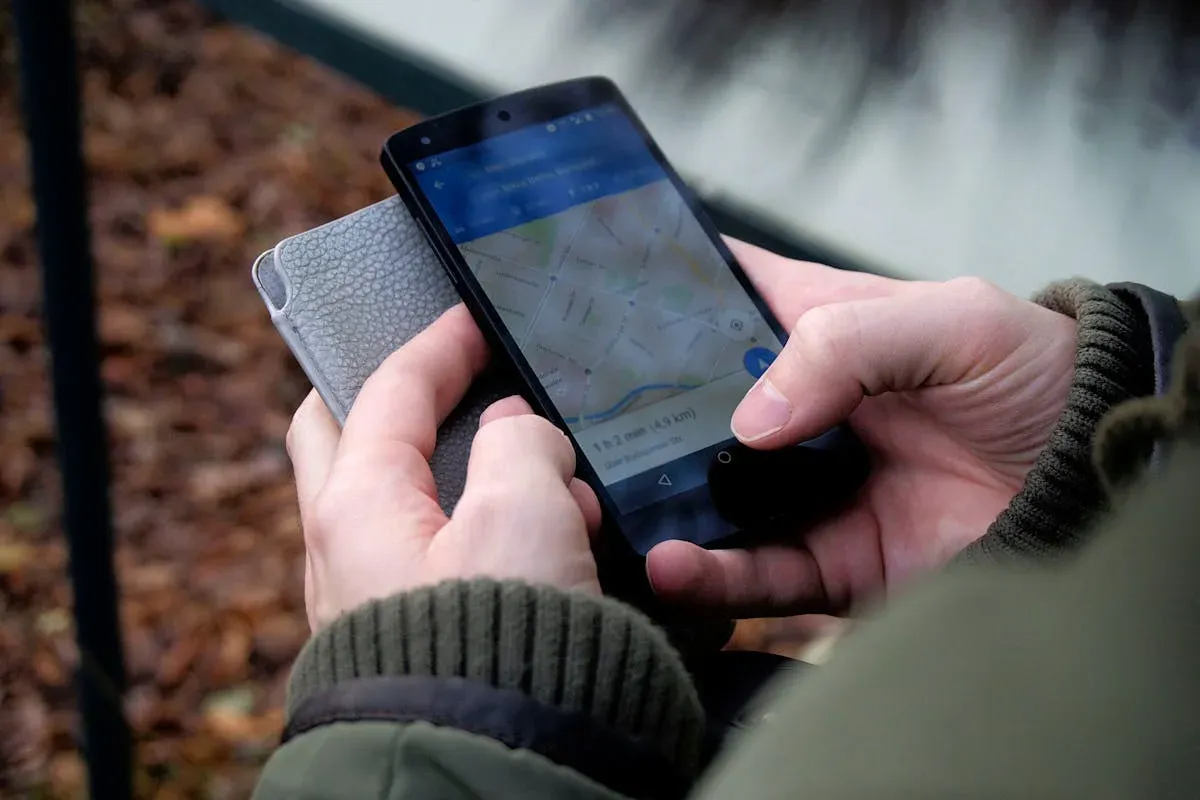
Some hiking trails don’t have great cell reception. You might need to bring a map as you navigate your way through the trail. As you progress, you can jot down some notes on the map.
4. Let Someone Know

No matter how much you prepare, accidents can still happen. To ensure your safety, let your partner, family member, or friend know about your plan.
Let them know where you’re going and the estimated duration of the trip. If the cell reception is good, you can also give updates every now and then. This way, if you ever get into an unfortunate incident, people will know where you are and can send help immediately.
5. Pack Necessities Only
One of the more important solo hiking tips is packing necessities only. You obviously won’t find any convenience store on a hiking trail, so be sure to bring everything you need for the trip.
Bring the necessities listed above, as well as conveniences like a portable power bank or camera to immortalize your trip.
6. Know Your Limits
Solo hikes are about vibing with nature, not exhausting yourself into regret. If your usual workout is walking to the fridge, don’t pick a trail that looks like Mountain of Death.
Choose hikes that match your energy so you can actually enjoy the view instead of hating life halfway through. Once you conquer one trail, you can continue with the one that’s a little more extreme.
7. Stay on Marked Trails

Those little signs and arrows you see on the trail aren’t there for decoration; they’re your safety net. So please, stick to the route and save yourself the stress.
Plus, the marked paths usually lead to the best views anyway. Trail makers know what they’re doing, so let them guide you to the Insta-worthy spots. Remember, adventure doesn’t mean getting lost; it means getting there safely.
Read also: Trekking Rinjani: The Ultimate Guide to an Unforgettable Adventure
8. Stay Calm If You’re Lost
Okay, but what if you’re still lost even after following the marked trails? Don’t panic! Panic makes you think messily, and messy decisions make things worse. Stop, breathe, and look around.
Check your map, compass, or GPS if you have them. If you’re seriously stuck, stay put; rescuers find a still target way faster than a moving one.
If you’re too scared to stay alone, you might want to light up an SOS smoke signal to let the rescuers know where your location is. Therefore, they can get to you faster.
9. Hydrate and Snack Regularly

Water breaks are not optional; they’re a survival. This is the most important solo hiking for beginners tip.
Sip often, even if you don’t feel thirsty yet, because waiting until you’re parched is too late. The same goes for food. Snack before your body starts begging, not after you’re starving. This will only produce a hungry hiker, which also means a cranky hiker. Yikes. No one wants that!
Think light but filling snacks, such as granola bars, nuts, dried fruit. Small bites keep your energy steady and your mood intact.
10. Be Cautious about The Wildlife
Animals look cute, but they’re not plushies. If you see one, admire it from a distance and keep it moving. Getting too close is a good way to ruin your day.
Don’t feed, don’t touch, don’t even try to “bond.” Respect their space and they will usually respect yours. Don’t forget, you’re just a guest in their house, so act accordingly!
11. Bring Solo-Safety Items

Discussing solo hiking tips without mentioning solo-safety hiking items is outrageous. A whistle, compass, and trekking poles might sound extra, but they’re clutch. They don’t take up space and can literally save you if things go sideways.
Think of them as your pocket-sized survival squad. Tools like these keep you steady, help you navigate, and can get attention if you need it, especially if you’re lost.
Read also: From Carstensz to Semeru: The Seven Summits of Indonesia
Bobocabin Gunung Rinjani

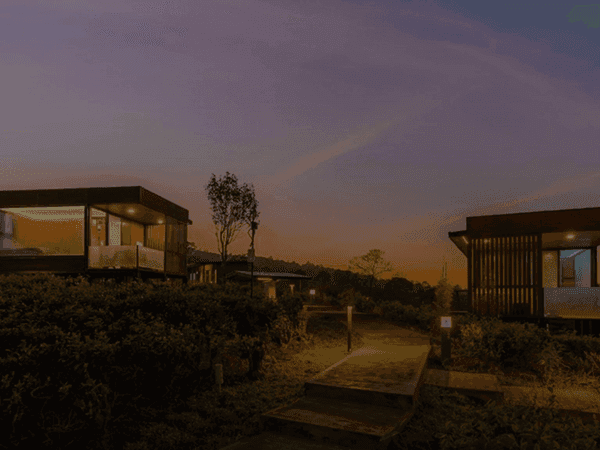
After a long solo hiking trip, nothing feels better than having your own cozy cabin to crash in, and that’s exactly what Bobocabin Gunung Rinjani delivers! Each cabin comes with huge windows, allowing you to wake up to mountain views without even leaving your bed. It’s private, comfy, and it gives you that “me time” energy every solo hiker deserves.
What makes this accommodation cooler is its smart tech. You can lock your cabin with just a QR code, adjust the lights with a touchpad, enjoy their fast Wi-Fi, and chill without worrying about old-school keys or switches. If you’re down to try it, download the Bobobox App to reserve your cabin or get more information!
Writer: Samala Mahadi
Featured Photo: Corneliu Stefan Esanu via Pexels