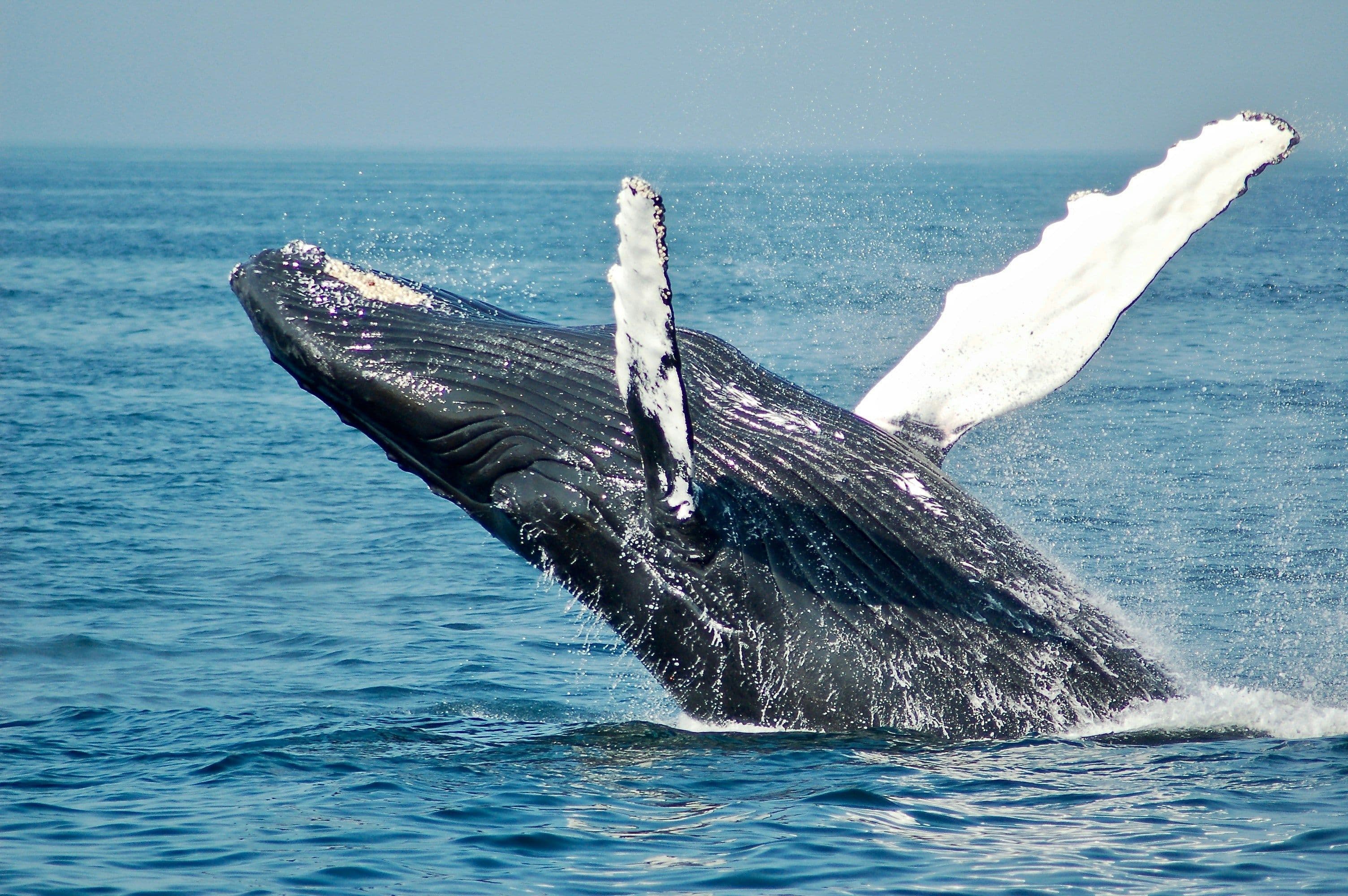
Did you know that thousands of whales pass Sydney’s coastline every year–making whale watching Sydney a must-do when you are visiting Australia? Yes, you read it right! In addition to its iconic harbour, golden beaches, and world-famous landmarks, Sydney is also one of Australia’s top destinations for whale watching.
Between May and November, humpback whales migrate along Australia's east coast, creating incredible opportunities for visitors to witness these gentle giants in the wild. During the migration season, whales can often be spotted breaching, tail-slapping, and swimming surprisingly close to Sydney’s shores.
Seriously, you need to consider adding this bit of adventure to your bucket list. The thrill of spotting the whales will absolutely get you hooked! Read on to find out why Sydney is a popular whale watching destination, where to go, and the best time to visit!
Why is Sydney a Popular Whale Watching Destination?
There are so many things to do in Australia, and whale watching in Sydney definitely should be on everyone’s travel wish list. Each year, around 40,000 humpback whales pass by Australia’s east coastlines, including New South Wales and Queensland.
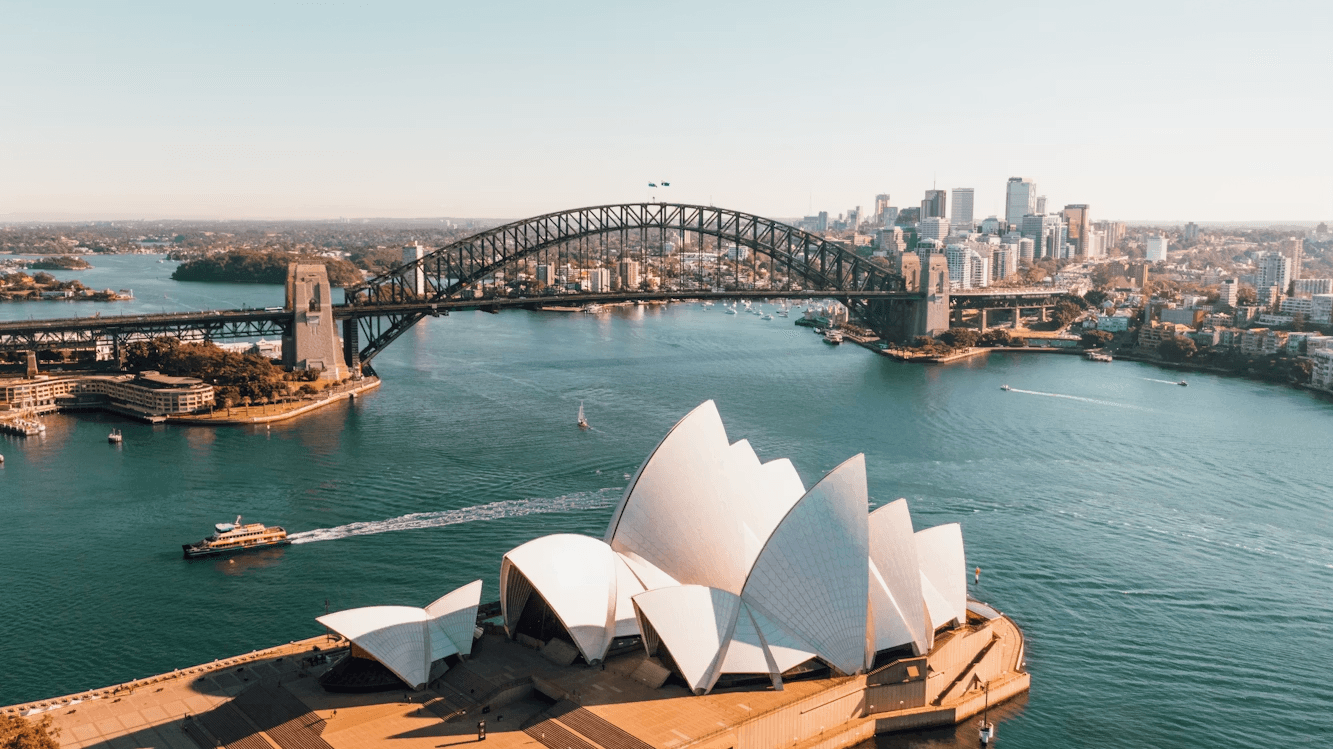
Sitting right in the middle of that incredible route, Sydney and the surrounding coastline are prime locations to sight the whales. During their annual migration, the humpback whales travel north from Antarctica to breed and calve in warmer waters, with many of them passing close to the Sydney Harbour Bridge and Opera House.
Boat tours and coastal walks are two of the best ways to see them. With boat tours, though, you can take your experience to the next level–taking you past some of Australia’s most recognizable landmarks. The Harbour Bridge, Sydney Opera House, Watsons Bay, Taronga Zoo, and Hornby Lighthouse.
In what feels like no time at all, you reach the “Humpback Highway” in the Pacific Ocean and begin scanning for the humpback whales. Weighing up to 40 tonnes, the whales are known for their distinctive hump on their backs and their acrobatic behavior.
Seeing them tail slapping, fin waving, spraying water, spy-hopping, breaching in the distance, and even coming right up to your boat is one of the most magical experiences. It is really a sight to behold!
And, if that’s not enough, the tour also offers the chance to see other marine life like southern right whales, bottlenose dolphins, sea birds, Australian fur seals, minke whales, and even orcas.
It’s a perfect mix of wildlife and city vibes–a great combination that only a few places can offer. You can see humpback whales with the city skyline visible in the background. The contrast makes whale watching in Sydney so memorable–a good reason for people to come back year after year.
Also read: Meet the Gentle Giants of Hamelin Bay, Western Australia
Best Time for Whale Watching in Sydney

If you are visiting Australia between May and November, whale watching in Sydney is a must. With the humpback whales migrating from Antarctica to warm waters off Australia, you have incredibly high chances of spotting them.
The season is generally split into two main migration phases, the northbound and southbound migrations.
May to August: Northbound Migration
From mid-May to August, humpback whales make their way past Sydney on their northern migration from Antarctica to the warm tropical waters of the Pacific, often stopping off for a rest and play. The whales typically spend their summer months feeding in the cold Antarctic waters to build up a thick layer of fat called blubber that keeps them warm in the cold Southern Ocean.
Known as their feeding grounds, food is plentiful in Antarctica as it teems with krill (small shrimp-like crustaceans) and small fishes that serve as a food source for whales. Then, as winter rolls in, the sea freezes and gets less sunlight and, thus, the krill population diminishes. Along with the potential threats like orcas, this harsh climate is not suitable for birthing.
The tropical waters in the north, on the other hand, offer a haven for humpbacks to give birth and nurse their newborn calves with their extremely rich milk–very thick and high in fat. The waters also provide a stable environment for the young to grow and learn. This way, they can build up strength for the journey back to the Antarctic.
And, so, the humpback whales travel great distances, spanning thousands of kilometers, to the warm waters off Australia. While migrating, the whales rarely feed and depend almost exclusively on their blubber to sustain themselves and feed their babies.
It is predominantly humpbacks that you can see off Sydney. But, southern right whales and minke whales are quite common around the coast of Sydney. And, bonus! You can get very lucky and catch glimpses of pilot whales and sometimes even killer and blue whales (the largest animal on earth).
Also read: Getting to Know Booloumba Creek: Queensland’s Hidden Paradise
September to November: Southbound Migration
By mid-August, the last whales going north would have moved to Sydney. So, September to November are when humpback whales travel back south with their calves in tow. After calving and a brief nurturing period, the whales make the trip back to Antarctica and start their cycle all over again.
During these months, you will see lots of mothers and calves move at a slower pace and stick closer to the shoreline–making them easier to spot from land. This part of the migration creates a second opportunity for those who missed the first phase. It also includes the bonus of observing heartwarming mother-calf interactions. Their playful and curious nature might bring surprises.
Peak Whale Watching Season

On any fine day between May and November, you can enjoy the humpback whales’ spectacular show. But if you want the peak sightings, June and July are the best times to see whales in Sydney.
These are when the whale numbers tend to be at their highest during their northern migration, especially between 11 a.m. and 3 p.m. when visibility is usually better. Just keep in mind that it’s winter in Sydney. It is much colder out at sea. So, be sure to wear comfy shoes, a jacket, lots of layers, a beanie, and gloves to stay warm.
Whether you are watching the whales on a boat or from a cozy cliffside perch, sunglasses and sunscreen are highly recommended to protect your eyes and skin from the harsh glare of the sun. And, of course, don’t forget your camera or at least your smartphone–it’s an absolute must. Binoculars are available to share (on boat tours), but you can always bring your own to help you witness the whales up close.
In addition to June and July, August and September are also known as some of the best months to go whale watching in Sydney. Young males are known to show off in August–frequently displaying their spectacular behaviors like tail slapping and breaching.
September, on the other hand, offers the chance to see a large number of whales as they make their way back to Antarctica. If you take a boat tour, you might have an encounter with curious humpbacks coming right up to your boat, then swimming and circling you–it’s called mugging. Plus, you can catch a lot of mothers and calves swimming side by side close to the shoreline. Or, better yet, you may witness the mother teaching her calf to breach.
Also read: Anglesea, Victoria: Your Complete Guide to the Great Ocean Road's Best-Kept Secret

Best Whale Watching Spots in Sydney
When it comes to whale watching in Sydney, you are pretty spoiled for choice. The best way to search for and have a closer encounter with the humpback whales is, of course, by boat tours, which typically depart from Darling Harbour or Circular Quay.
But it’s also possible to see them from some land-based lookout points–perfect for those on a budget or who don’t have sea legs. And here are some of the best places to watch whales in Sydney.
1. Cape Solander
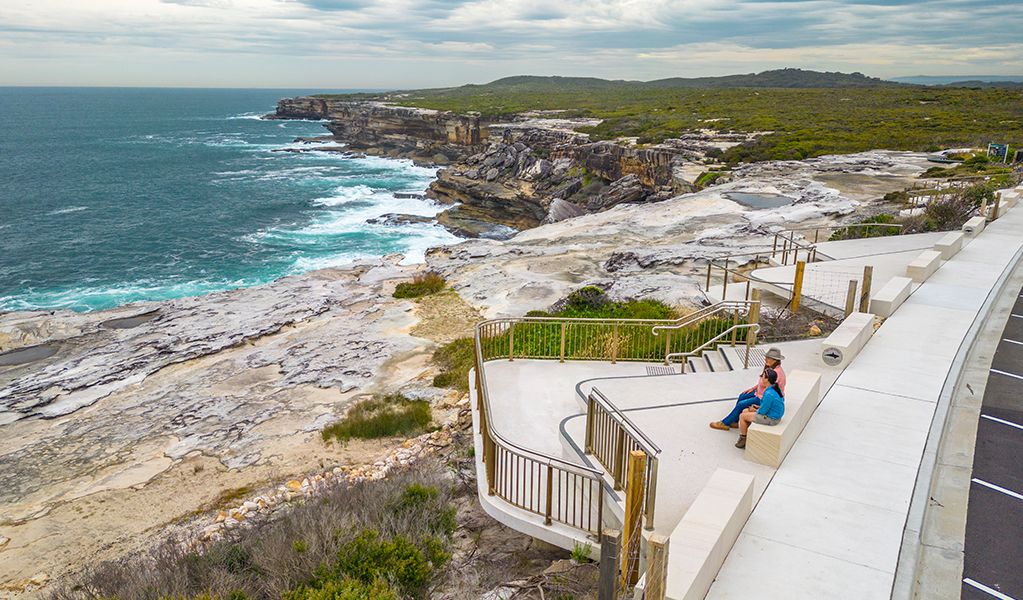
Named after botanist Daniel Solander, Cape Solander is undoubtedly one of Sydney’s best whale watching spots. Peaceful and scenic, this spot features a viewing platform set on rugged cliffs overlooking a major migration route. And, thus, it gives you an amazing, clear view of the endless blue ocean.
The area is so busy with whales during the migration season. If you are lucky, you can see multiple whales swimming surprisingly close to the shore, sometimes as near as 200 meters offshore.
Even outside the whale season, the scenery at Cape Solander makes the trip worthwhile. Located within Kamay Botany Bay National Park, this is a beautiful spot with plenty of space to walk around and photo ops. The scenery is simply gorgeous, and it is also a great spot for birdwatching and learning more about local Aboriginal culture.
2. North Head

North Head is another prime spot to see whales during their migration and even outside the whale season. Thanks to its elevated position, this place offers numerous scenic hiking trails and vantage points to spot whales when they appear.
The vantage points also provide excellent ocean visibility and stunning cliff-top views with a calm atmosphere–making it a wonderful place to relax, unwind, and connect with nature. Plus, you can enjoy sweeping views of the Sydney skyline, harbour, and South Head.
But, of course, you need to stay focused and keep an eye out for any signs of whale activity, like blows or splashes, as whales flick their tails in the distance. The views where tail slaps and skyscrapers share the same skyline will definitely leave you spellbound.
You can try the easy Fairfax Walk to visit the lookout points. The paths are nicely paved–ensuring that everyone, including children and those with reduced mobility, can enjoy the impressive scenery.
3. Bondi to Coogee Coastal Walk

In the winter months, Bondi to Coogee Coastal Walk is a great vantage point to see humpback whales. It's a scenic pathway–6 kilometers long–that connects a series of picturesque beaches between Coogee and Bondi. You can either do Coogee to Bondi or the other way around–it’s the same.
In addition to the beaches, the path winds along dramatic cliffs, hidden coves, a cemetery, and sparkling blue water that seems to change shades with every step. It also features numerous amenities–from water refill points, public bathrooms, cafes, restaurants, picnic spaces, to swimming pools–as well as viewing platforms where you might catch a glimpse of humpback whales.
Nestled between Bondi and Tamarama Beach, Mackenzie’s Point Lookout is one of the popular spots to look for whale blows and breaches. Even if you don’t see them, you will be treated to breathtaking views of the Pacific Ocean, stunning beaches, rugged cliffs, picturesque parks, and vibrant native vegetation.
4. Watsons Bay

Watsons Bay is home to many landmarks that serve as vantage points to try your luck spotting humpback whales, southern right whales, as well as common and bottlenose dolphins. You can catch a glimpse of these incredible creatures while soaking in spectacular views around you–dramatic cliffs, the Pacific Ocean, Sydney Harbour, and even the city skyline in the distance.
From The Gap (a dramatic cliff-top lookout) to Hornby Lighthouse (a red and white striped tower built in 1858), Watsons Bay is not only a wonderful place for wildlife sightings, but also a great spot for a serene coastal experience. Take your time here as there is a lot to take in.
Also read: Explore the Outdoors: Full Guide to Glamping in Sydney
Make your Next Trip Completely Stress Free with Bobobod Airport CBC, Tangerang

Whenever you are planning your next trip, why not consider staying in an airport hotel like Bobopod Airport CBC, Tangerang? No getting stuck in traffic and even a long drive at an unsociable hour, you can make your next trip completely stress-free!
Whether you are traveling for business or leisure, this pod-style hotel accommodates everything you need for a quick, restful stay. Located just minutes from Soekarno-Hatta International Airport, the pods come with comfy beds, Wi-Fi, AC, toiletries, towels, and high-tech features like the mood lamp and QR door lock system for added security.
What's more? Bobopod has shared bathrooms with soaps, shampoos, hairdryers, sinks, and mirrors–allowing you to freshen up so you will not look too worse for wear. By staying at Bobopod, you will eliminate the possibility of getting stuck in traffic or having to rush to make your flight, as Bobopod also offers free airport transport for early flights.
It really is a comfy base to feel more refreshed for your flight or come back to after a long journey. You'll absolutely love your stay here!
So, are you ready to embark on your next journey? Book your stay through the Bobobox app and plan your trip with this DMDU quiz to find the best travel recommendations based on your personality! This may help you find your own holiday of a lifetime!
Featured photo: Todd Cravens via Unsplash