Looking for a destination that combines beautiful beaches, outdoor adventures, and a laid-back coastal atmosphere? Located along the famous Great Ocean Road, Anglesea is one of Victoria's most charming seaside towns, offering the perfect blend of nature, relaxation, and family-friendly attractions.
Sitting on Wadawurrung Country, just 110 kilometres south-west of Melbourne and a comfortable 90-minute drive along the M1, Anglesea sits at the point where the Anglesea River meets the Southern Ocean — creating a natural setting that draws visitors back year after year.
Why Visit Anglesea?
Originally known as Swampy Creek, the area was renamed Anglesea River in 1884 when the township was established, and officially shortened to simply Anglesea in 1950. The name itself is derived from Anglesey, an island in North Wales. Today, Anglesea (postcode 3230) is home to a permanent population of 3,208 people (2021 Census), though that number swells dramatically during peak summer periods when Melbourne families and international travellers make their way down the Great Ocean Road.
What sets Anglesea apart from other coastal towns is the way it blends the bush and the beach so seamlessly. It's not just a place to swim; it's a place to hike through wildflower heathland, kayak a tidal river, surf consistent waves, and share a fairway with several hundred wild kangaroos.
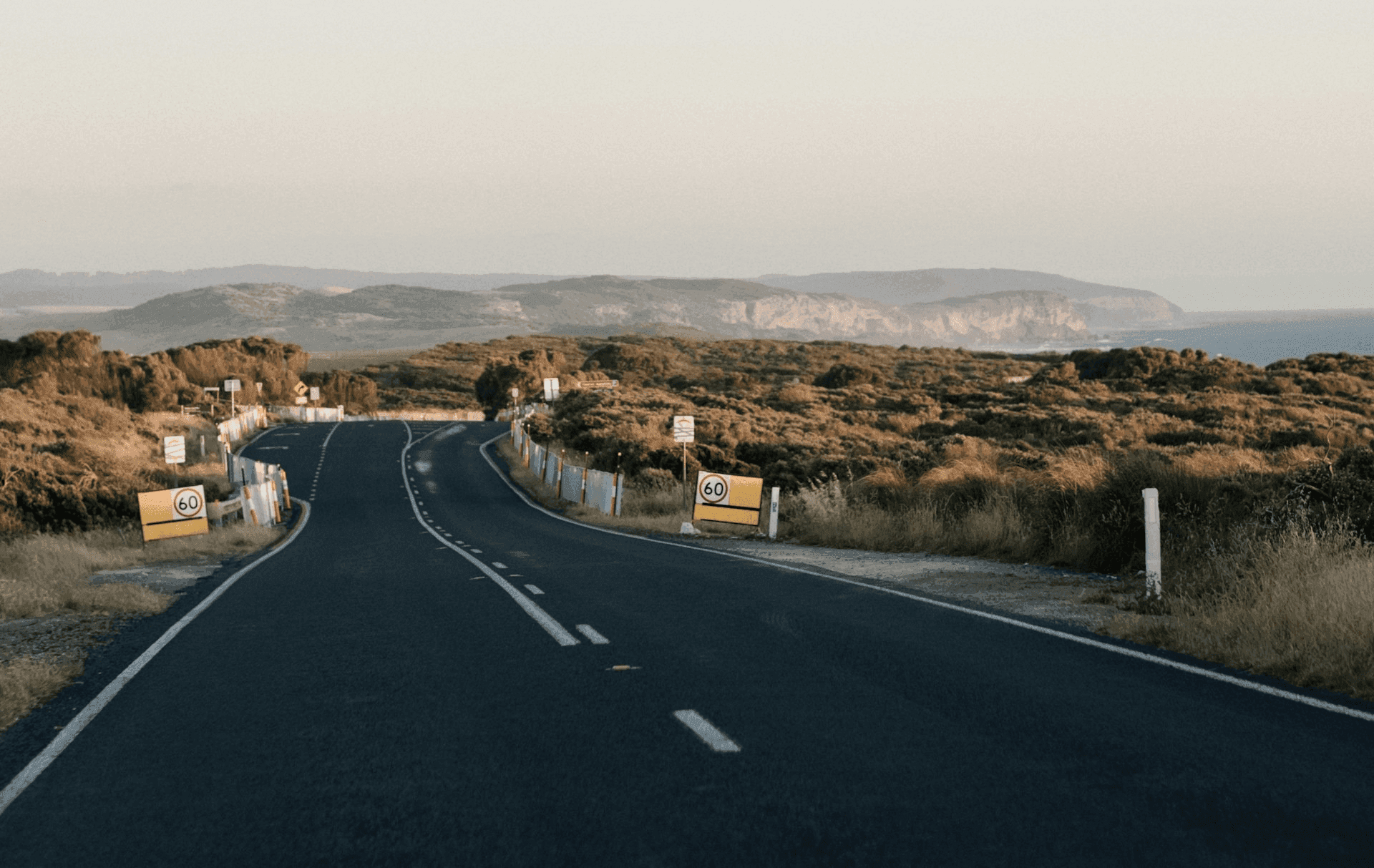
Anglesea holds a special place on the Great Ocean Road map. It's the first town south-west of Torquay where the road actually meets the coastline, making it the true entry point to the scenic coastal drive that stretches all the way to Allansford. And yet, despite its prime location, Anglesea has managed to retain a quiet, unspoiled character that other more tourist-heavy towns along the road have gradually lost.
Here are a few reasons it consistently earns a spot on itineraries:
- Wildlife in unexpected places
Anglesea is one of the few places in Australia where wild Eastern Grey Kangaroos have established a thriving, highly visible urban population — not in a wildlife sanctuary, but right in the middle of the local golf course. The Anglesea Golf Club has become internationally recognised for this reason alone, drawing visitors who have never held a golf club in their lives.
Also Read: The Most Fun Things to Do in Adelaide
- A full menu of outdoor activities
From surfing and kayaking to mountain biking and coastal walking, Anglesea caters to active travellers across every fitness level. The 44-kilometre Surf Coast Walk passes through Anglesea, connecting the town with Torquay in the north and Fairhaven in the south along the clifftops and beaches.
- Rich botanical diversity
The Anglesea Heath, part of the Great Otway National Park, is home to more than a quarter of Victoria's entire plant species — including many that are rare or endangered. Spring (September to November) turns the heath into a patchwork of colour as wildflowers bloom across the landscape.
- Family-friendly infrastructure
With the renowned Anglesea Family Caravan Park on Cameron Road, multiple surf schools, paddle boat hire, playgrounds, and patrolled beaches, Anglesea is well set up for family travel across all age groups.
- A relaxed local culture
The Anglesea Riverbank hosts a popular Sunday morning market (running November to April), and the town centre has a solid range of cafes, restaurants, and local shops — enough to keep you comfortable without tipping into overcrowded tourist-town territory.
Top Things to Do in Anglesea
1. Relax at Anglesea Beach
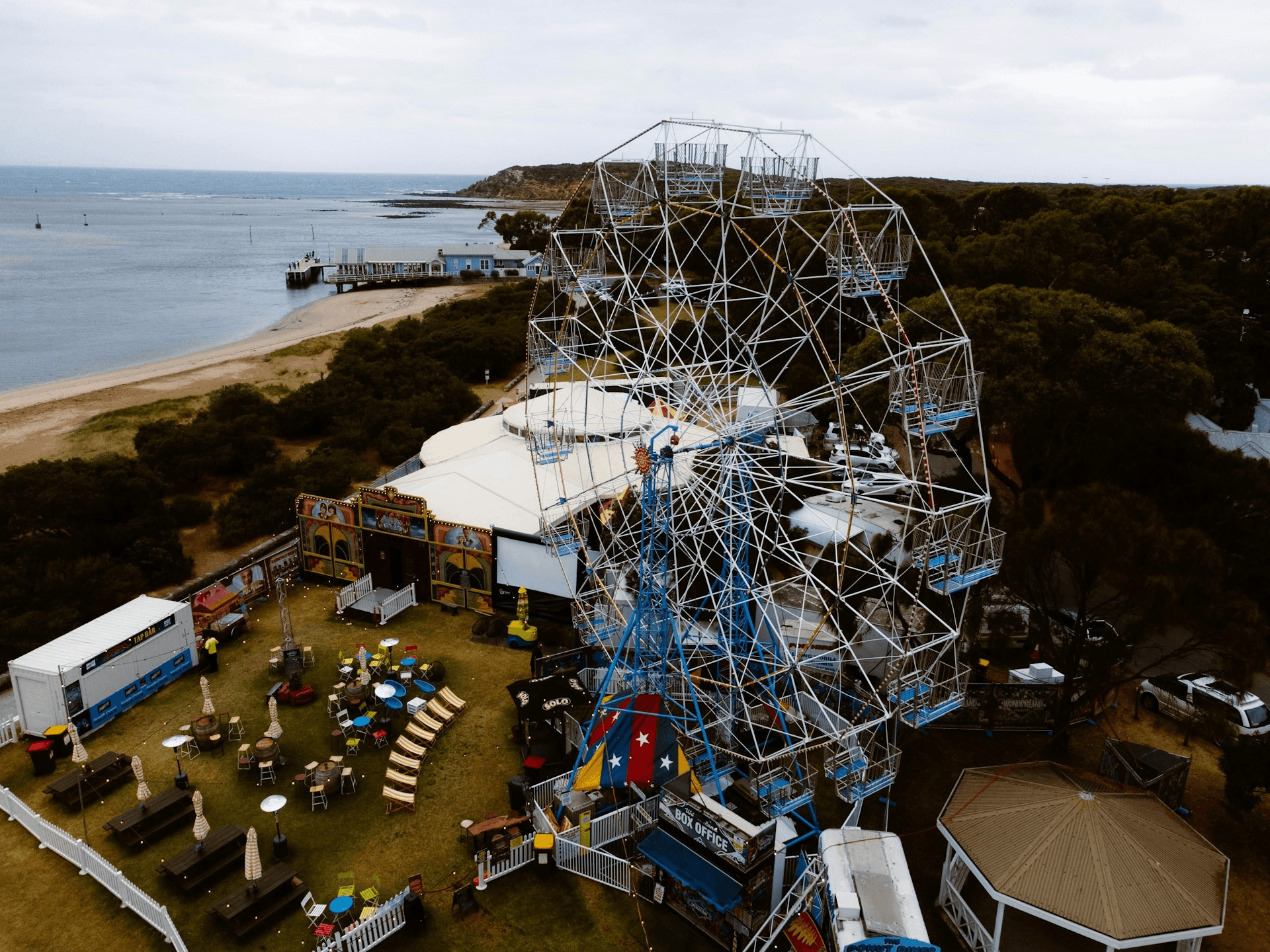
Anglesea Beach, also called Anglesea Main Beach, is the town's centrepiece. It's a wide, golden stretch of sand at the mouth of the Anglesea River, patrolled by surf lifesavers during summer, making it one of the safer swimming beaches on the Surf Coast. The river mouth section of the beach is particularly popular with families, as the water is calmer and shallower than the open surf further along.
The Anglesea Surf Life Saving Club operates at this beach and is one of the oldest on the Great Ocean Road. For those who want views over the whole bay, the Harvey Street Lookout and the Anglesea Memorial Lookout both sit above the main beach and offer panoramic perspectives of the coastline and town.
The beach is also the start (or finish) of several sections of the Surf Coast Walk, so if you want to stretch your legs after a swim, trail access is right there.
2. Explore the Anglesea River
The Anglesea River is a tidal waterway that winds through the heart of town before emptying into the sea at the main beach. Because the river is tidal, the Anglesea tides directly influence the water level and current. During incoming tides, the water is calm and ideal for paddling, while outgoing tides add a bit more flow for those who want a more dynamic kayaking experience.
The riverbank is a popular activity hub, especially in summer. Anglesea Paddle Boats, located near the river bridge, rents out traditional paddle boats, fun boats, aqua bikes, and canoes. Canoe hire is approximately AUD $40 per hour for a round trip, with canoes accommodating up to two adults and a small child.
For more structured experiences, local operators including Southern Exposure offer guided sit-on-top kayak tours along the river through the wetlands of Coogoorah Park, a nature reserve at the end of River Reserve Road that features a network of islands connected by boardwalks and bridges.
Wildlife sightings along the river are common. Eastern Grey Kangaroos are frequently spotted along the riverbanks, and the wetlands around Coogoorah Park support a diverse range of bird species.
The Anglesea Sunday Market runs along the riverbank from November to April, making Sunday morning a particularly lively time to be in town.
3. Visit the Anglesea Golf Club Kangaroos
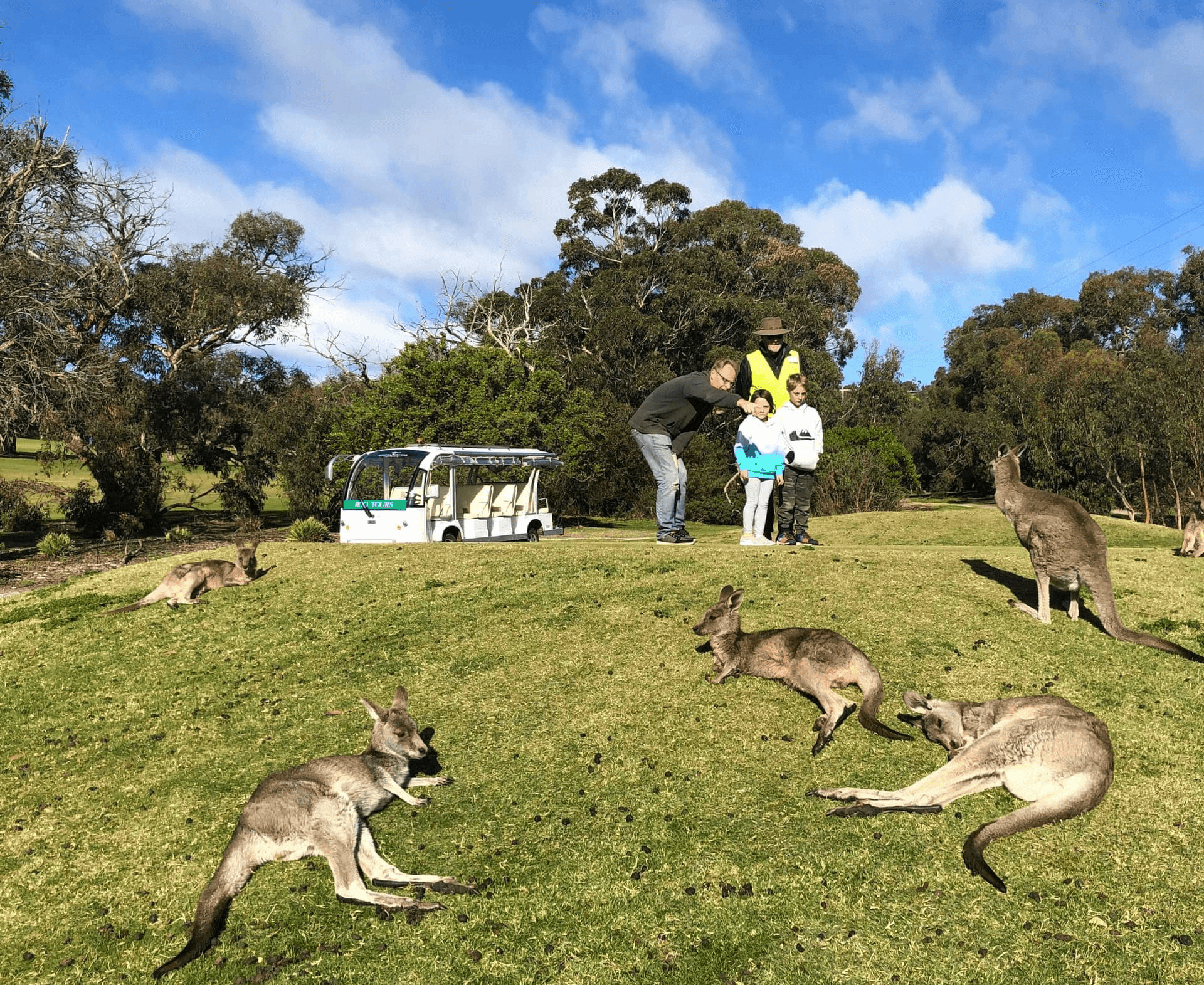
If there's one experience that's become synonymous with Anglesea, it's the kangaroos at the golf club. The Anglesea Golf Club, situated in the hinterland just off the Great Ocean Road, has been home to a colony of Eastern Grey Kangaroos since the club's establishment in 1950. Today, approximately 300 kangaroos live on or near the course throughout the year. It’s the largest urban kangaroo population ever recorded in Australia for kangaroo density.
University of Melbourne researchers have been studying this population since 2004, tracking movement, growth, survival, and reproduction through collar and ear tags. The kangaroos are highly habituated to humans, meaning they go about their grazing calmly even when golfers and visitors are nearby.
In 2015, the club launched its Kangaroo Roo Tours, guided tours in open-air electric vehicles seating up to 13 passengers. The tours run daily, take approximately 25 minutes, and are conducted by local Club members who share information about kangaroo behaviour, life cycles, and habitat. Tours cost between AUD $6 and $17 and are suitable for all ages. The club's milestone 80,000th Roo Tour visitor was expected in December 2025, underlining just how popular the experience has become.
As for golf itself, the club offers a challenging and scenic 18-hole, 6,028-metre course. It’s one of the most uniquely Australian golf experiences available anywhere in the country.
4. Discover Great Otway National Park
Anglesea sits right at the doorway to the Great Otway National Park, one of Victoria's most significant protected areas. The section closest to Anglesea is the Anglesea Heath, a unique heathland ecosystem that supports more than a quarter of all of Victoria's plant species. Many of which are rare, threatened, or found nowhere else.
The heath blooms most spectacularly during spring (September to November), when native orchids, banksias, grass trees, and wildflowers carpet the landscape. Walking trails through the heath vary in length and difficulty, with options for both short walks and longer half-day hikes. The Anglesea Heath Circuit Shared Trail is part of the Great Otway National Park trail network.
Beyond the heath, the broader Great Otway National Park encompasses windswept coastal clifftops, tall mountain ash and rainforest, and the famous Great Ocean Walk, a multi-day coastal hiking route that runs from Apollo Bay to the Twelve Apostles. Anglesea functions as a practical base for exploring the national park before heading further along the Great Ocean Road.
Wildlife in the national park and surrounding reserves includes Eastern Grey Kangaroos, koalas, echidnas, and a diverse range of native bird species.
Also Read: Scuba Diving Equipment Guide: What You Need and Why It Matters
5. Enjoy Surfing and Water Activities
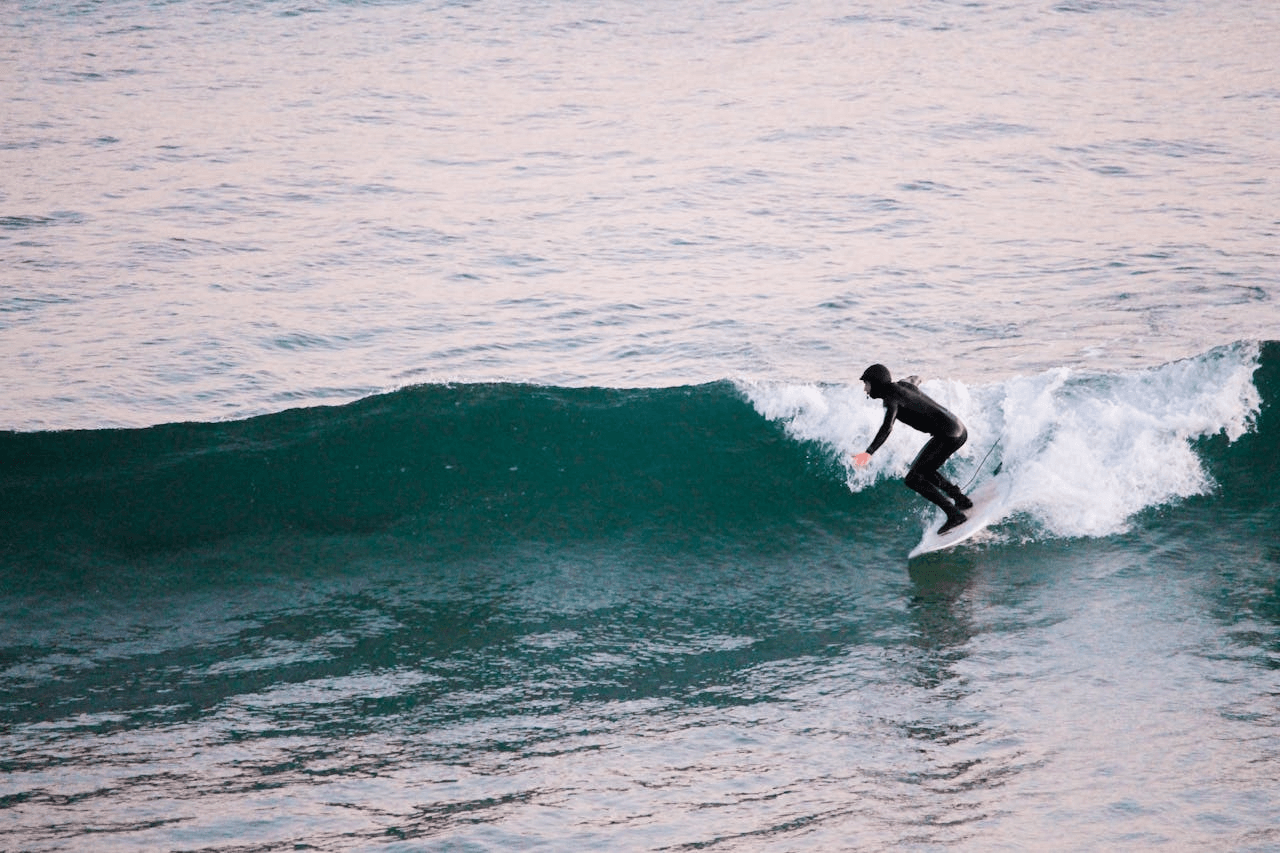
Anglesea is squarely on the Surf Coast, and the surfing here is accessible for all levels. The main Anglesea Beach offers consistent, manageable waves ideal for beginners and intermediate surfers. Go Ride A Wave is the main surf school operating in Anglesea, offering surf lessons, board hire, and also renting out wetsuits, stand-up paddleboards, sit-on-top kayaks, and bodyboards. They operate from 9:00 AM to 5:00 PM daily (extended to 7:30 AM during Christmas school holidays).
For more experienced surfers, Guvvos Beach (south of town) offers stronger, more consistent swells. Just north of Anglesea is Bells Beach, home to the world-famous Rip Curl Pro. It is approximately a 15-minute drive and represents one of the most iconic surf breaks in the world.
Mountain biking is another popular activity, with the Anglesea Bike Park offering a four-cross track and a network of trails extending into the Great Otway National Park hinterland. Trail Head Bike Co is a local operator that hires out bikes.

Best Beaches in Anglesea
Anglesea Main Beach
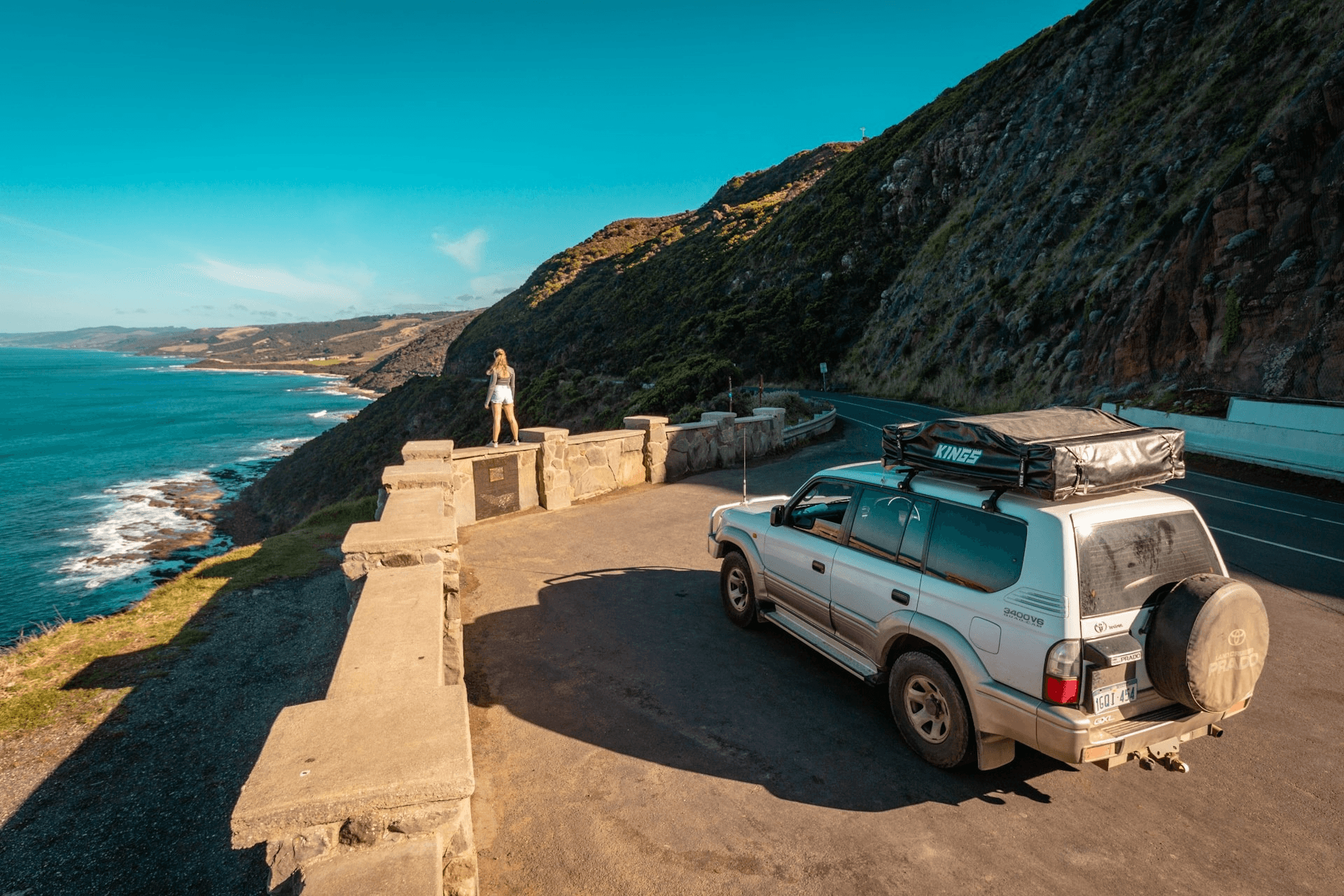
The Anglesea Main Beach is the town's most popular and accessible beach, sitting right in the centre of town at the mouth of the Anglesea River. Patrolled by surf lifesavers during summer, it's a wide and spacious beach with golden sand and consistent surf. The river mouth area provides calmer water for younger swimmers, while the surf beach section offers waves suitable for beginner to intermediate surfers.
The foreshore has picnic facilities, BBQ areas, and easy parking, making it the go-to spot for families and day visitors. Lookouts above the beach, including the Harvey Street Lookout and Great Ocean Road Lookout, provide elevated views of the whole bay and coastline.
Also Read: Meet the Gentle Giants of Hamelin Bay, Western Australia
Point Roadknight Beach
Point Roadknight Beach is named after the ship HMS Roadknight, which anchored there in 1840. Located about a kilometre south of the town centre, it's protected by a narrow limestone ridge and reef that extends approximately 500 metres to the east, creating a naturally sheltered bay with consistently calmer water than the main beach.
The beach faces north-east and has a continuous, attached sandbar with generally no rips. Making it one of the safest swimming and beginner surfing spots on the Surf Coast. It's patrolled by surf lifesavers during summer. Behind the beach, there are several well-maintained picnic areas, toilet facilities, and a large car park. The beach also has a boat ramp (requiring a 4WD vehicle).
One thing to note: Point Roadknight is home to the Hooded Plover, a threatened beach-nesting shorebird with one of the lowest egg-to-adult survival rates of any species. As a result, dogs are not allowed on the main beach. The surrounding dunes have undergone significant revegetation efforts by the local council and environmental volunteers to protect the bird's habitat.
Guvvos Beach
Guvvos Beach is a lesser-known but spectacular stretch of coastline on the south side of Anglesea, running approximately 4.5 kilometres from east to west between Point Roadknight and Urquhart Bluff. Facing directly south, the beach is fully exposed to the Southern Ocean swells that roll in from Antarctica, which means the waves are more powerful and consistent than at the town's other beaches.
This makes Guvvos the preferred choice for experienced surfers, with the western end near Urquhart Bluff being the most popular surf spot. Beginners are generally advised to stick to Anglesea Beach or Point Roadknight. The beach is largely hidden from the Great Ocean Road due to the shrubs and steep bank above it, which has helped it maintain a more raw and uncrowded feel.
Guvvos Beach is dog-friendly (leads required), making it one of the few beaches in the area where you can bring your pet. It also forms part of the Surf Coast Walk route between Anglesea and Fairhaven.
Also Read: Traveling for the Holidays? Follow These Tips to Stay Sane
Best Time to Visit Anglesea
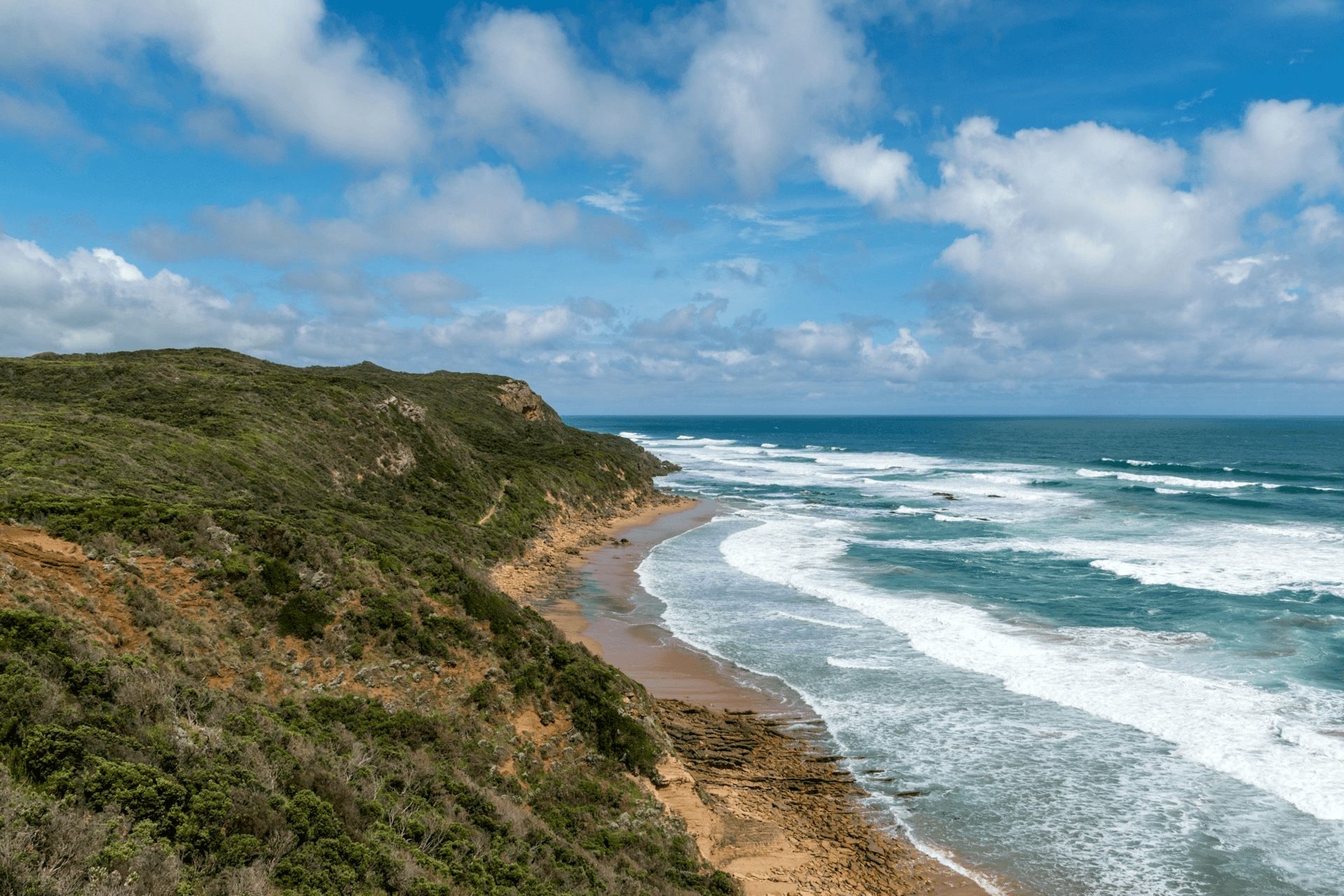
Anglesea is a year-round destination, but different seasons suit different types of travellers:
Summer (December – February): Peak season. Beaches are patrolled, surf schools and paddle boat hire are in full operation, and the Sunday market runs along the riverbank. Water temperatures are warmest (around 18–20°C) and days are long. This is the busiest period. Book Anglesea accommodation well in advance, particularly if you're staying at the Anglesea Family Caravan Park or any holiday cabin.
Autumn (March – May): Crowds thin, weather remains mild and pleasant, and the surf improves. An excellent time for coastal walks and exploring the Great Ocean Road without the summer rush.
Spring (September – November): The Anglesea Heath is at its most spectacular, with wildflowers in full bloom across the heathland. This is the best time of year for walkers and nature lovers. Weather is variable but generally comfortable.
Winter (June – August): Quiet and cool, with fewer tourists and lower accommodation rates. Surf is at its most powerful (good for experienced surfers at Guvvos and Bells Beach). Kangaroo numbers at the golf club are lower in winter as many of the large males leave the course during the non-breeding season. The Great Ocean Road is particularly scenic in winter, with moody skies and dramatic coastal conditions.
For kangaroo viewing at Anglesea Golf Club, the best time is late afternoon or early morning when the animals are most active.
Getting There:
- From Melbourne: approximately 110 km, around 90 minutes by car along the M1 via Geelong
- From Geelong: approximately 37 km, around 30 minutes
- From Torquay: approximately 18 km, around 15–20 minutes
- Public transport: V/Line buses run from Melbourne to Geelong, with connections to Anglesea
Start Your Journey Right: Stay at Bobopod Airport CBC Tangerang

Planning a trip to Anglesea from Indonesia? Whether you're flying into Melbourne via Sydney or making the journey directly, your adventure begins at Soekarno-Hatta International Airport in Tangerang.
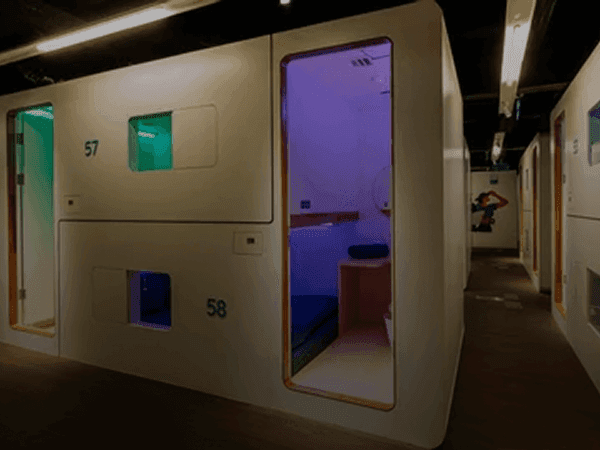
Before that long-haul flight or after a tiring return trip, rest easy at Bobopod Airport CBC Tangerang. It’s a smart, modern pod hotel located just 18 minutes from Soekarno-Hatta International Airport, at Jl. Atang Sanjaya No.21, Cengkareng Business City, Benda, Tangerang.
The property features air-conditioned pod rooms, free WiFi, a 24-hour front desk, luggage storage, lockers, and most importantly, a complimentary airport shuttle service, so you'll never have to worry about missing your flight. It's the kind of place that takes the hassle out of transit, letting you focus on what actually matters: the trip ahead.
Whether you're heading overseas to explore the Great Ocean Road or returning home after weeks of Australian adventure, Bobopod Airport CBC is the perfect pit stop. Clean, efficient, and exactly where you need it to be.
Book your pod at Bobopod Airport CBC Tangerang here
Not Sure Where to Travel Next?
Not sure which destination matches your travel personality? Take the DMDU Quiz and get personalised travel recommendations based on who you are as a traveller. Whether you're a beach chaser, a nature lover, or a culture explorer — there's a Bobobox adventure waiting for you.
Ready to plan your next trip? Download the Bobobox app to book your pods and cabins seamlessly, browse properties, check availability, and manage your stay entirely from your phone. No queues, no hassle!