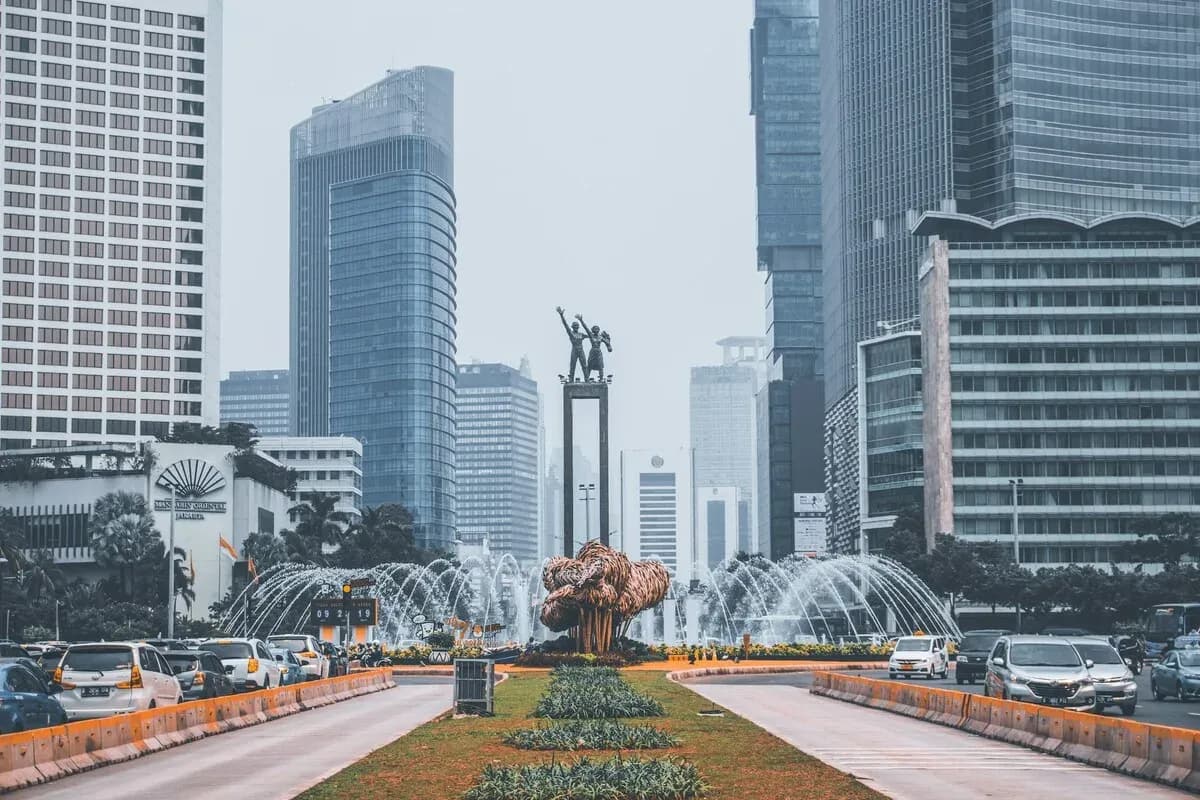
Clear air is a rare thing to have in Jakarta. While the root causes don’t depend on one thing only (we’re surrounded by mining sites and industrial complexes!), the number of vehicles circulating the city is enough to worsen our carbon footprint and pollution. Senayan, for example, can reach up to 180 AQI.
Moreover, our problem with incombustible trash seems to worsen the condition. Just take a look at the seawater when you stop by Pluit; according to the World Bank’s data in 2021, Indonesia is responsible for the disposal of 346.5 kilotons of plastic waste into the sea! Even 100 sperm whales can’t even compete.
These plastics are degraded into smaller <5mm particles called microplastics, and often get accidentally eaten by marine biota, which also ends up in our belly!
While this can make you feel discouraged, there are still a lot of ways to live sustainably and more mindfully that you can do routinely – in time, these tiny habits will grow into a bigger impact when it becomes a collective effort.
Here are some insightful recommendations that Bob can give you on how to start sustainable living in Jakarta. Keep on reading!
Manage and Minimize Your Food Waste

Did you know that there was a big explosion in Cimahi, West Java, that obliterated two villages the resulting in 157 people, with many still missing?
In 2005, one of the biggest landfills in West Java, Leuwigajah, exploded due to methane gas buildup from poorly-managed waste. It was deemed as the second-worst landfill tragedy in the world, just after the Payatas landfill tragedy in the Philippines, and is the reason why Indonesia has a national waste awareness day.
When organic matter, such as food scraps, yard waste, and paper products, is buried in a landfill, it breaks down over time. As microorganisms (like bacteria) consume this organic material in the absence of oxygen (anaerobic conditions), they produce methane gas as a byproduct. This chemical phenomenon is best known as methanogenesis.
Though it might seem like a lost cause, there are actually ways you can do to prevent this from happening, one of them being trash sorting and composting. For starters, sorting out your organic waste from the inorganic ones really works wonders. As most of the household waste itself is food waste, which is organic, you can stash it inside a compost bin to use as a fertilizer, or even make your own eco-enzyme from scratch!
Other things to note are to manage your food supplies wisely and effectively. Sure, buying products in bulk is cheaper, but do you really need that much food?
Making a shopping list whenever you go to get your groceries will help you gain self-control in what you’re purchasing, as it can also save you a lot of money and keep away the urge to impulsively buy something.
Shop Locally & Get to Know Your Farmers

Picture this: you’re whipping up a bowl of kale salad for lunch, but the kale was planted and harvested in the US, goes through sorting and packaging in China, before it arrives in grocery stores around Jakarta. Can you imagine how much carbon footprint is left just for a bag of imported, organic kale?
Researchers believe that the best and most sustainable way to get your fresh produce is to shop locally from the market or from the farmers directly. You might be intrigued to opt for a more ‘organic’ produce for a healthier choice, but the healthier choice sometimes isn’t even that sustainable.
Making use of what produce is available in the current season is called diversifying your food. This sustainable practice goes back to when our ancestors used to do everything traditionally. Besides, growing produce in the right season will boost its growth, making it have a higher quality than the produce that is planted and harvested all year round.
If you want to take it to a whole other level, getting to know local farmers who have your favorite and staple needs will save you a lot of money and empower not only yourself, but the farmers, too. By skipping the middleman/wholesaler who are keen to buy produce at a lesser price, the farmers have the chance to sell it for more!
Reduce Single-Use Plastic

Again, while it might seem like you’re not making any difference when you order a takeout and tick the utensil box, most of this will end up in the sea and degrade into microplastics.
“We can just recycle them, can’t we?”
Bottle caps and plastic bottles might be easy to recycle. Small utensils like a spork and straws? Not so much.
Plastic utensils are way too small, sometimes way too thin, and oftentimes have irregular and inconsistent shapes, which can cause problems during the sorting and processing stages at recycling facilities. They can get lost or worse, jam the recycling machinery altogether.
“But what about biodegradable straws and plastics?”
Not only are these labels misleading (fossil fuels are still used in their production), but the bitter truth is that most of these biodegradable materials would just end up the same way as the other: in landfills, as they produce more methane gases, or sail away to the sea and become another microplastic.
Bamboo-sourced utensils might be the better alternative for now.
Public Transportation is Key
Also Read: The Only Traveling Checklist You’ll Ever Need for Trips and Holidays

Jakarta Cost of Living: How Much Do You Need?
Sustainable living in Jakarta isn’t just about being eco-friendly; it also means economic sustainability by managing your budget wisely in a bustling metropolis. The cost of living in Jakarta can vary wildly depending on your lifestyle, but having a clear baseline helps you plan better.
Eco-Friendly Accommodation
Housing is your biggest expense, but choosing the right spot can lower your energy consumption.
- Sustainable Kost (Boarding House): Look for kosts with good natural ventilation and lighting to reduce reliance on AC and lamps. For a comfortable, well-ventilated room in a strategic location (near transit hubs in South or Central Jakarta), budget between Rp2,500,000 to Rp4,000,000 per month. Living closer to work or transit also cuts your carbon footprint significantly.
- Apartment/Coliving: Studio apartments near the city center typically start from Rp5,000,000 to Rp8,000,000+. To keep this sustainable, look for buildings with green certifications or maximize shared living spaces to split energy usage.
Food and Dining

Eating locally is delicious and reduces the carbon emissions associated with imported foods!
- Decent Meals (3x a day): By prioritizing local eateries (warungs) that use local produce, and limiting imported fast food, you can eat well for Rp3,000,000 to Rp4,500,000 per month. This budget allows for nutritious, diverse meals while supporting local supply chains.
- Groceries: Cooking at home using ingredients from local markets (pasar) rather than imported supermarket goods can bring your grocery bill down to Rp1,500,000 to Rp2,000,000 monthly.
Low-Carbon Transportation
- Public Transport Hero: This is where you save the most money and carbon! Jakarta’s integrated system (JakLingko) is excellent. By relying on the TransJakarta electric buses, MRT, and KRL Commuter Line, your monthly transport cost can be as low as Rp400,000 to Rp700,000.
- Active Commuting: If you choose accommodation within walking or cycling distance of your office or a station, your transport cost (and carbon output) drops to near zero!
Conscious Entertainment & Lifestyle
Sustainable living in Jakarta doesn’t have to be boring! Instead of spending every weekend in air-conditioned malls, Jakarta has a growing number of parks (like Tebet Eco Park or GBK) and museums. Setting aside Rp1,000,000 to Rp1,500,000 allows for plenty of coffee shop visits and cultural experiences without excessive consumption.
Also Read: 21 Best Date Ideas in Jakarta: A Guide to Romance and Adventure
Tips for Sustainable Living in Jakarta
Navigating Jakarta’s fast-paced environment doesn’t mean you have to sacrifice your green values. Here are practical steps to reduce your environmental footprint in the capital:
Choose public transport and use ride-sharing wisely

Jakarta has made massive strides in public transportation. Prioritize using the MRT, LRT, or TransJakarta electric buses to cut down on carbon emissions. If you must use a car, opt for ride-sharing apps to maximize vehicle occupancy rather than driving alone.
Travel sustainably
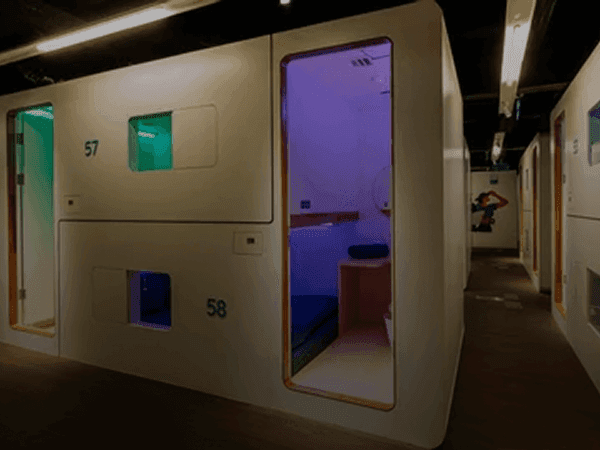
Be conscious of your accommodation choices. Opt for hotels or stays that prioritize energy efficiency and waste reduction. (Read more on how Bobobox champions this in the next section!)
Mindful electricity use
In Jakarta’s heat, air conditioning is a major energy consumer. Set your AC to a comfortable 24-25°C instead of the lowest setting to save energy, and remember to unplug electronics when not in use!
Also Read: The Ultimate Digital Nomad Checklist: How to Work As You Travel and Explore the World
Be Part of the Change with Bobobox!

Did you know that your stay at Bobobox makes a real difference? We aren’t just talking about sustainability; we are truly measuring it. According to our latest report, Bobobox has successfully reduced over 22,000 kg of carbon footprint and eliminated the use of more than 83,000 single-use plastic bottles through our water filtration initiatives.
Whether you are staying at Bobopod Juanda for a business trip or exploring history near Bobopod Kota Tua, you are supporting a hospitality ecosystem that values the planet! We invite you to dive deeper into our journey and see exactly how your stay contributes to a greener future by visiting here.
Ready to experience a smarter, greener way to stay in Jakarta? Download the Bobobox App and book your eco-friendly pod today!
Writer: Ratna Asih
Featured photo: Eko Herwantoro via Unsplash