With Earth Day on April 22 just around the corner, now is the perfect time to explore eco-friendly travel ideas that let you see the world without leaving it worse off. As environmental damage and climate change accelerate, destinations around the world are stepping up their conservation efforts — and a growing wave of travelers is following suit.
Whether you're brand new to sustainable travel for beginners or you're a seasoned eco-explorer hunting for fresh eco tourism destinations, this guide is your starting point. Here are 10 of the best green destinations on the planet — and yes, one of them is right here in Indonesia.
From volcanic landscapes to ancient rainforests, these places prove that eco-friendly travel ideas don't mean sacrificing beauty or adventure — they just mean being more intentional about how you experience the world.
1. Iceland

Iceland consistently ranks among the world's top eco tourism destinations — and it's easy to see why. Known for its dramatic fjords, natural hot springs, and active volcanoes, Iceland is a place where nature does the heavy lifting.
One standout experience is a soak at the Myvatn Nature Baths, where you can unwind in geothermal waters surrounded by snow-dusted hills. Iceland also offers whale watching and famously light-pollution-free skies for chasing the Northern Lights (Aurora Borealis).
On the sustainability front, Iceland uses geothermal energy to power both heating and electricity, producing the highest amount of green energy per capita in the world. The country also actively opposes ocean pollution and promotes sustainable fishing practices, making it one of the greenest nations on Earth.
Also Read: Your Full-Day Guide to a Sustainable Trip in Malang
2. Finland

As one of the cleanest and greenest countries in the world, Finland is a natural fit for eco-conscious travelers — especially those just starting with sustainable travel for beginners. The country has committed to achieving carbon neutrality before 2050 and is home to around 40 national parks, 200,000 reindeer, and more than 1,000 flowering plant species.
Spend summer exploring Oulu, a charming bay city that serves as the gateway to untouched rural areas and remote islands. Or head to Lapland in winter for a fairytale experience — skiing, reindeer safaris, and a front-row seat to the Aurora Borealis. Finland is one of those destinations that rewards slow, intentional travel.
3. Azores Island, Portugal
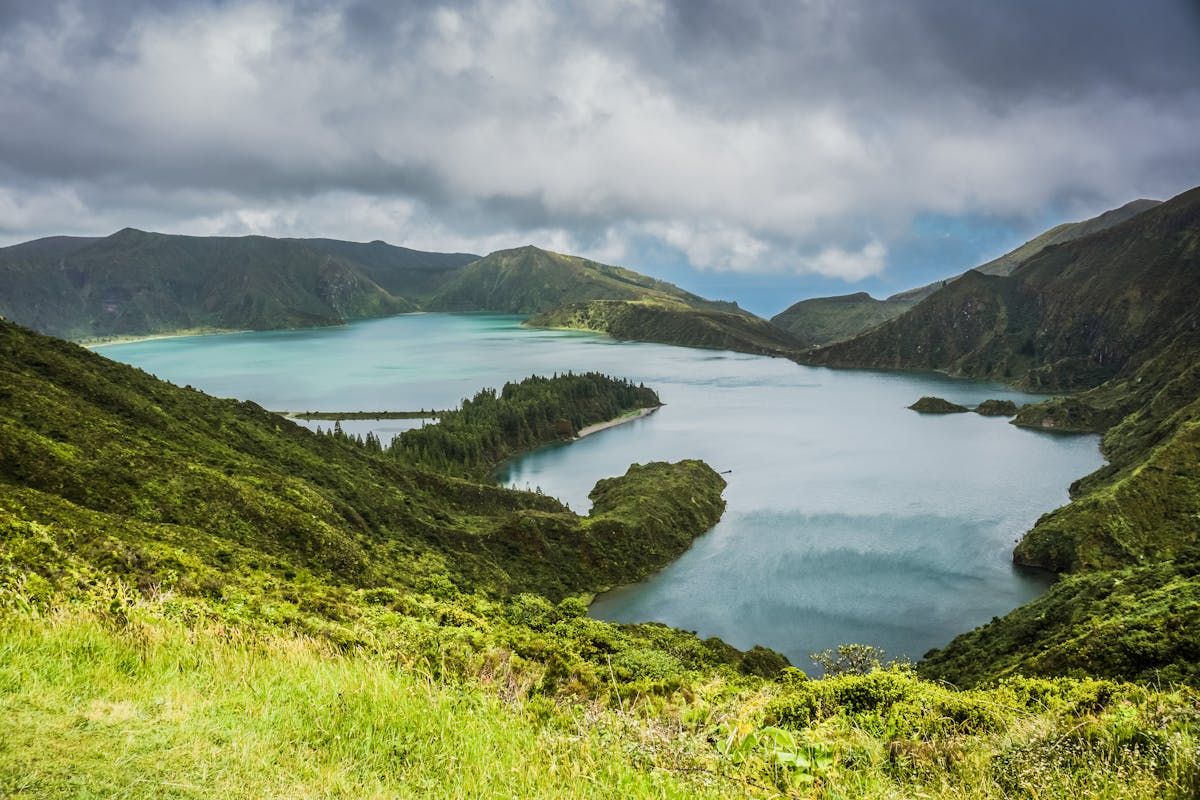
Tucked away west of Portugal, the Azores Islands have previously made the Sustainable Destinations Global Top 100 list — and it's well-deserved. This archipelago of lush, volcanic islands, complete with crater lakes, is one of Europe's best-kept showcases of green travel tips put into real practice.
The islands rely on a diverse mix of wind, geothermal, and biomass energy, with annual targets to increase clean energy production each year. Wildlife activities — birdwatching, whale watching, dolphin spotting — are carefully regulated to protect the natural ecosystem. If you want to see sustainable tourism done right, the Azores is your blueprint.
4. New Zealand

New Zealand is one of those places that genuinely feels like another world. With vast, untouched wilderness and landscapes that inspired The Lord of the Rings, it's a bucket-list destination for nature lovers. Notably, 22% of its energy comes from geothermal sources, and the country has set ambitious goals to phase out fossil fuels.
Eco-friendly activities here are almost endless: birdwatching and whale watching, visiting ethically run wildlife sanctuaries, spotting glowworms in limestone caves, touring working farms, and witnessing the Southern Lights (Aurora Australis). New Zealand isn't just a beautiful place — it's actively working to stay that way.
Green travel tip: When visiting eco tourism destinations, always book with locally owned operators, avoid single-use plastics, and offset your flight emissions through verified carbon offset programs. Small choices add up.
Also Read: A Full Weekend Trip to the Best Natural Destinations in Dieng
5. British Columbia, Canada

According to the Green Provincial Report Card, British Columbia ranks as Canada's greenest province — backed by a strong emphasis on green buildings, energy efficiency, and organic food production.
With rugged coastlines, dense old-growth forests, glittering lakes, and sprawling national parks, BC is a paradise for outdoor adventurers. Hiking, rafting, canoeing, fishing, horseback riding, and wildlife spotting are all par for the course. It's one of those destinations that naturally encourages you to slow down and reconnect with the wild.
6. Costa Rica

Costa Rica is widely regarded as a global leader in ecotourism — and the numbers back it up. The government has made biodiversity protection a national priority, resulting in nearly 93% of the country's electricity coming from renewable sources. Its natural areas are estimated to harbor around 5% of the entire planet's biodiversity.
For a truly wild experience, head to the Osa Peninsula — a lush, remote tropical haven offering guided eco-tours, sustainable accommodations, and activities designed to benefit both the environment and local communities. This is an eco-friendly travel idea at its finest.

7. Rwanda
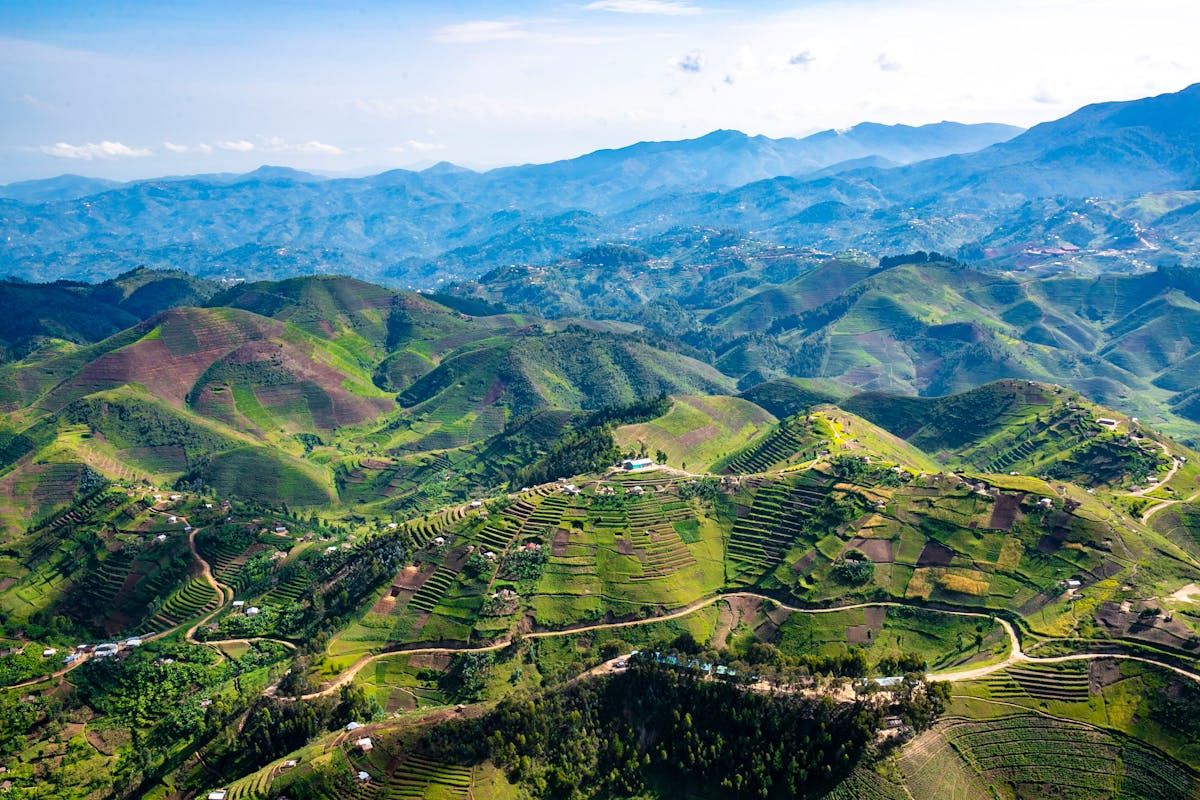
Rwanda has spent centuries fighting to protect its endangered mountain gorilla population. Since 2017, the country doubled its gorilla trekking permit fees — from USD 750 to USD 1,500 — as part of a sustainable tourism model that reinvests revenue into conservation and local communities.
Rwanda has also reintroduced black rhinos to Akagera National Park, over a decade after poaching nearly wiped them out. Beyond wildlife conservation, Rwanda has banned plastic bags outright, is rapidly expanding its use of sustainable energy, and has committed to restoring 30% of its forested land. It's a remarkable example of a country rebuilding its natural heritage with purpose.
Also Read: 5 Things to Do for a Sustainable Trip in Bali
8. Palau, Micronesia

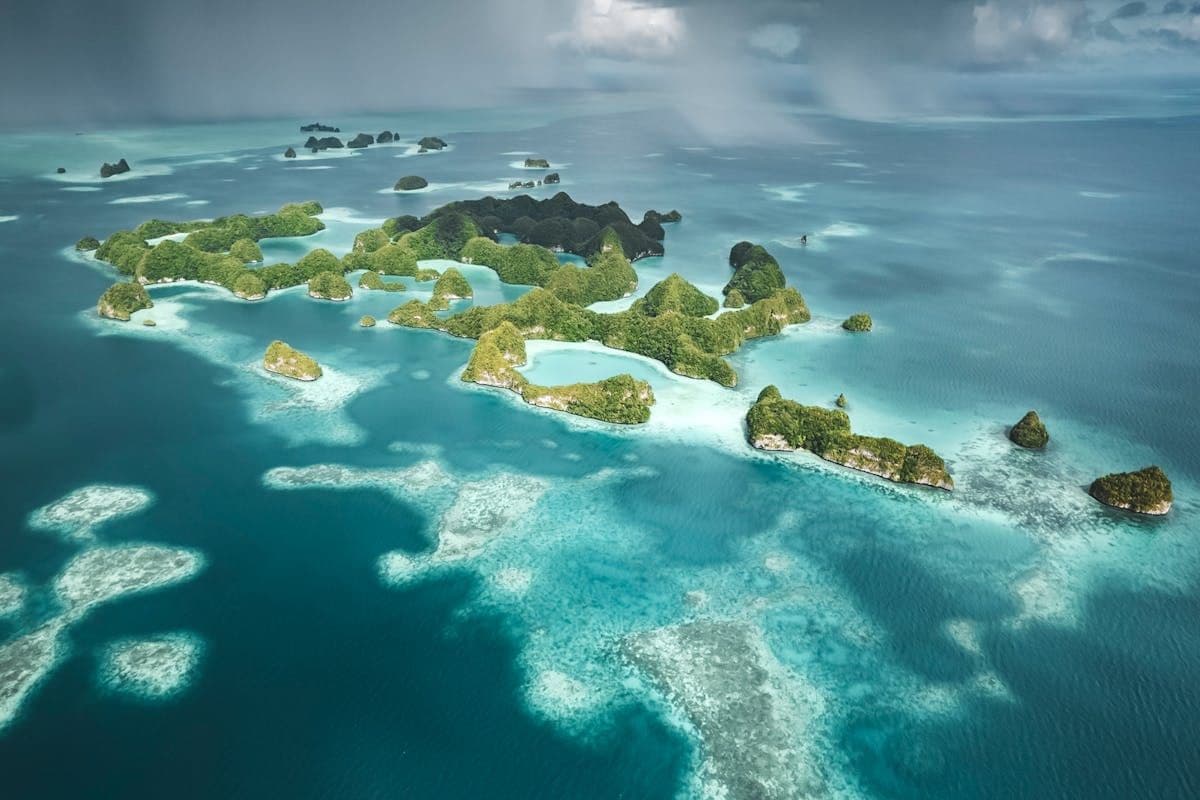
A jewel of the Pacific Ocean and part of Micronesia, Palau is famous for its crystal-clear waters, coral reefs, and extraordinary marine biodiversity. The iconic Jellyfish Lake (Ongeim'l Tketau) — where visitors can snorkel among harmless golden jellyfish — is one of the world's most unique natural experiences.
On land, Palau's forests and beaches remain remarkably pristine. The country has also banned fishing in coral reef zones, showing a firm commitment to protecting its underwater ecosystems for future generations.
9. Bhutan

Nestled in the foothills of the Himalayas, Bhutan is intentionally one of the least-visited eco tourism destinations in the world. The government only allows visitors to enter through officially registered travel agents listed on the national tourism website (tourism.gov.bt), with set per-night rates to manage tourism volume responsibly.
It may sound restrictive — but it's all part of a deliberate philosophy. Bhutan has 70% of its landmass covered by forest and is one of the rare carbon-negative countries on Earth, absorbing more carbon than it emits. The price of exclusivity here is paid in preserved wilderness — and that's a trade-off worth celebrating.
10. Indonesia

Closer to home, Indonesia has been steadily growing its sustainable tourism scene — with Bali leading the charge. Several spots around Ubud stand out as excellent Earth Day travel ideas for Indonesian travelers who want to explore without leaving a heavy footprint.
Penglipuran Village, Bangli

For a taste of authentic Balinese eco-tourism, Penglipuran Village in Bangli is a must-visit. Located along Jl. Penglipuran, Kubu, Kec. Bangli — just 32 minutes from Bobocabin Ubud — this village is one of Bali's finest examples of living heritage and sustainable community life.
As a Bali Aga village, Penglipuran's residents have preserved their pre-Hindu spatial layout and ancestral customs for generations. What greets you upon arrival is a remarkably uniform row of traditional bamboo house gates, creating a symmetrical, almost meditative streetscape that's unlike anything else in Bali.
Beyond strolling the immaculate lanes and chatting with friendly locals, here's a hidden gem tip: keep walking down to the lower part of the village until you reach the bamboo forest. It's a peaceful, lush retreat — and there's even a restaurant there serving local dishes. Even better, the restaurant offers a free shuttle back to the parking area, so no uphill trek after your meal.
Also Read: 8 Most Cozy Pet-Friendly Hotels in Bali for Your Furry Friends
Petulu Village, Ubud
Just 19 minutes from Bobocabin Ubud, Petulu Village (Banjar Petulu Gunung, Ubud, Gianyar) is home to one of Bali's most magical natural phenomena — thousands of javan pond herons, known locally as kokokan. These migratory birds return to roost here in dramatic flocks every evening, particularly during breeding season from October to March.
The best time to visit is in the late afternoon, when wave after wave of kokokan circle the dusk sky before settling into the tall trees lining the village — a sight that feels both wild and deeply spiritual. Entry is completely free of charge, and the village is open around the clock.
The birds are considered sacred by the local community. According to village belief, the kokokan are connected to Ida Gede Kokokan, believed to be a deity's companion and protector of the village since 1965. Locals honor this bond through a ceremonial ritual held every six months, making Petulu a place where eco-tourism and living tradition beautifully intersect.
Ubud Monkey Forest

No Ubud eco-travel list is complete without the Sacred Monkey Forest Sanctuary on Jalan Monkey Forest — only 34 minutes from Bobocabin Ubud. This 12.5-hectare forest sanctuary is home to hundreds of long-tailed macaques living semi-freely, alongside 186 species of trees.
Beyond wildlife watching, the Monkey Forest also contains several sacred Hindu temple structures woven into the forest, making your visit both an ecological and cultural experience. Wander the shaded forest paths, observe the monkeys' social behaviors up close, and admire the traditional stone architecture draped in moss and fern.
The sanctuary serves as an active conservation site maintained by the local village community, reinforcing its role as a true model of community-based eco-tourism in Bali.
Tegalalang Rice Terrace

Perhaps Bali's most photographed landscape, Tegallalang Rice Terrace on Jalan Raya Tegalalang, sits just 5 minutes from Bobocabin Ubud. But this iconic view is more than a photo opportunity — it's a living demonstration of sustainable agriculture in action.
The terraces still use the ancient Subak irrigation system, a UNESCO-recognized cooperative water management practice that embodies the Balinese philosophy of harmony between humans, nature, and the divine. By carefully regulating water flow across the terraces, Subak minimizes water waste — making it one of the most eco-friendly farming systems in the world.
Pro tip: arrive before 10.00 WITA for cooler air, softer golden light ideal for photography, and a much more peaceful atmosphere. The terraces are at their most lush and vibrant during the green rice season — March–April and September–October. While you're there, you can trek narrow paths between the paddies, try the famous valley swing, or unwind with a fresh coconut at one of the hillside cafes overlooking the panoramic view.
Bobocabin Ubud: Eco-Friendly Glamping in the Heart of Bali
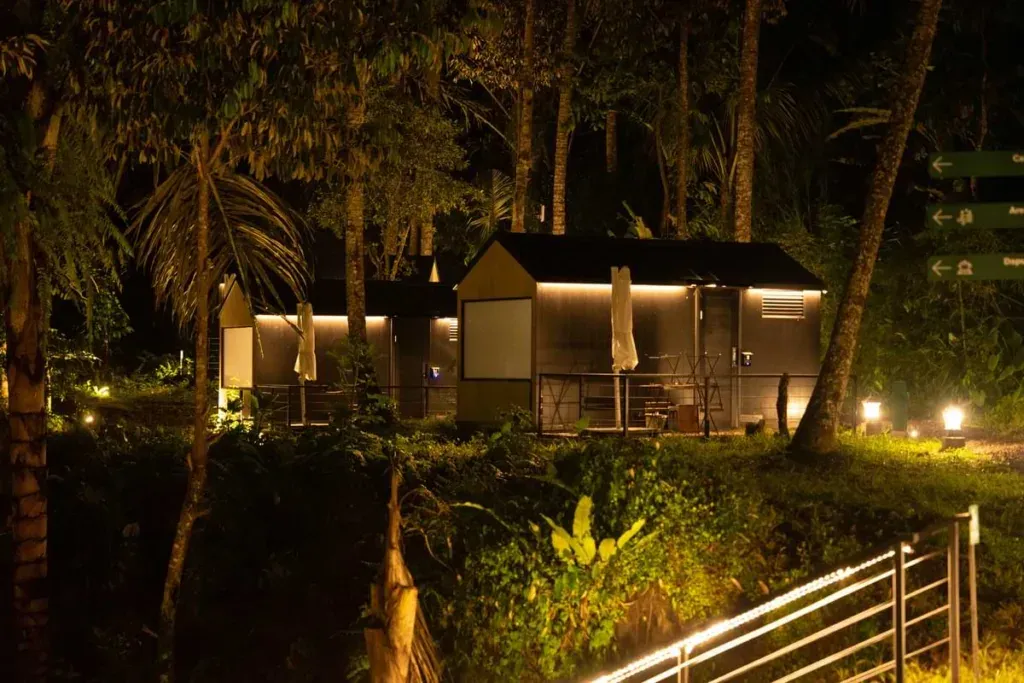
Looking for a comfortable, eco-friendly place to stay while exploring the destinations above? Bobocabin Ubud offers a unique glamping experience inside sustainably built wooden cabins — and it's closer to all four eco spots than you might think.
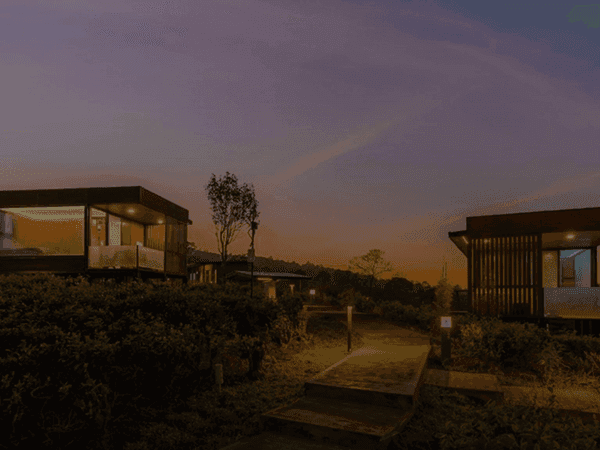
In line with Bobobox's Sustainability Initiative, every cabin is constructed using recycled wood materials and a modular building system — similar to assembling a puzzle. This approach significantly cuts construction time and reduces carbon emissions from material transport. The result? A cozy, spacious retreat built with a minimal footprint.
Despite its sustainable, minimalist design, space is never sacrificed. Each cabin features a Smart Window — offering stunning views of the surrounding forest and lush meadow-like greenery straight from your bed. Whether you're lying back watching the trees sway or lounging on the cabin floor for a game night, the space feels open, calm, and completely off-grid in spirit.

Staycations at Bobocabin Ubud aren't just about the view — there's plenty to keep you entertained indoors. Hosts provide a selection of rentable activity kits:
- Uno cards
- Congklak board
- Uno Stacko tower
- Tentang Kita card game
- Painting kit
- Mini projector
Rent whichever fits your vibe — movie night, art session, or a competitive round of Uno with the family. The mini projector paired with the forest views is a particular crowd-pleaser.
Ready to travel greener? Download the Bobobox app to book smart stays, explore destinations, and enjoy a seamless travel experience across Indonesia.
Writer: Syifa Nuri Khairunnisa
Featured photo: Florian-Kriechbaumer via Pexels