Bali’s cultural heart is filled with Ubud must see attractions that every traveler should experience. If you’re wondering what the must-see temples in Ubud are or what the must-see attractions in Ubud are, this tourist map of Ubud covers it all for an unforgettable trip.
From iconic temples and royal palaces to lush rice terraces and vibrant markets, we highlight the must-visit places in Ubud, Bali. These tourist map of Ubud will ensure you don’t miss any highlights, whether it’s cultural landmarks or natural wonders.
Best Places to Visit in Ubud
1. Tegalalang Rice Terrace

One of Ubud’s most famous landscapes is the Tegalalang Rice Terrace, renowned for its emerald-green rice paddies carved into terraced hillsides. This breathtaking vista exemplifies Bali’s traditional subak irrigation system, a cooperative water management method recognized by UNESCO for its cultural significance.
Strolling along the rice terrace paths offers amazing photo opportunities of the cascading fields and coconut palms. Adventure-seekers can also try the jungle swings and ziplines set up nearby for a bird’s-eye view of the terraces.
Entrance Fee: A small ticket of around Rp. 10,000 per person is required to enter the rice terraces, and an additional fee will apply for different activities. The terraces are open from roughly 8 AM to 6 PM, but visiting early in the morning or late afternoon is ideal to avoid crowds and enjoy the golden light on the fields.
Also Read: Is Ubud Worth Visiting? 20 Reasons Why Ubud Bali is So Popular
2. Penglipuran Village

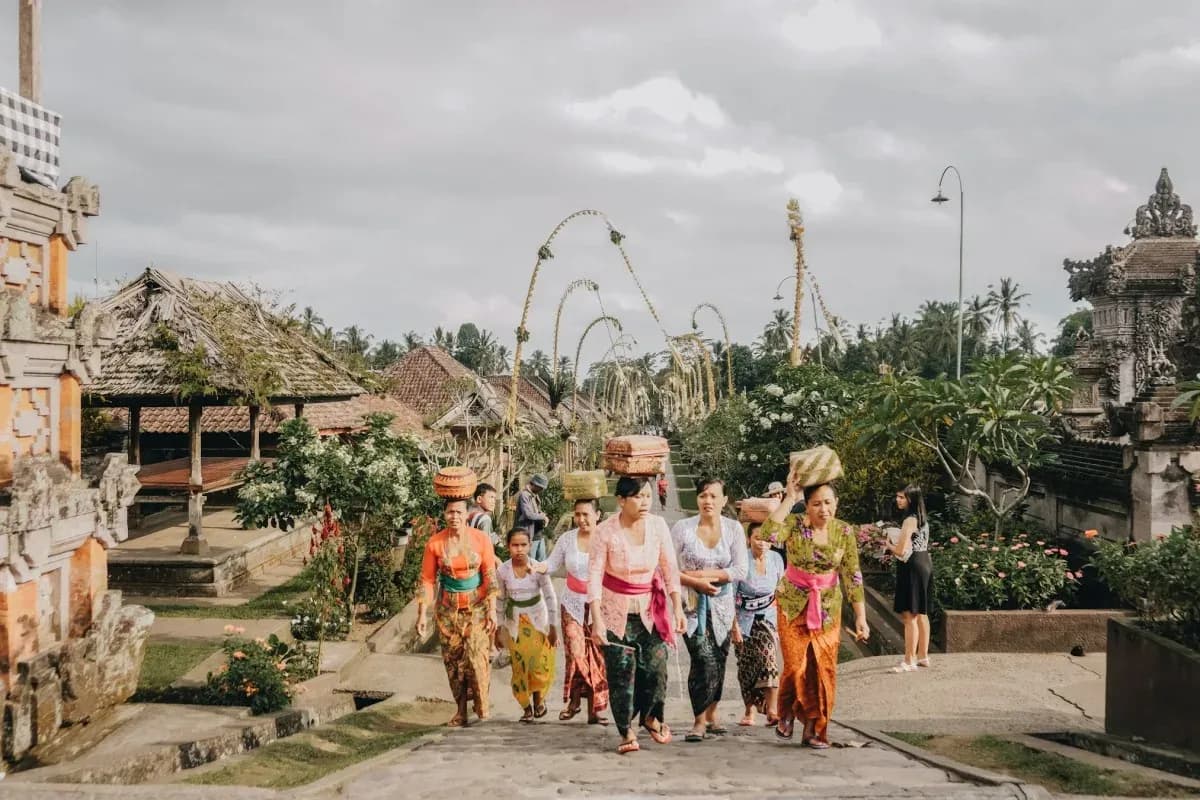
Penglipuran Village is a must-visit place in the Ubud area for those interested in traditional Balinese culture. Tucked in Bangli Regency (a scenic drive from central Ubud), this village is celebrated as one of the most beautiful and cleanest villages in Bali.
Walking down its main stone-paved street, you’ll see well-preserved traditional Balinese compounds with thatched gates arranged in neat rows, all reflecting authentic architecture and community values. The atmosphere is peaceful and green, as residents maintain gardens and prohibit motor traffic in the village center. A bamboo forest at the outskirts adds to the charm and provides great photo spots.
Entrance Fee: Penglipuran is a ticketed cultural village; international visitors pay about Rp50,000 for adults (domestic tourists enjoy lower rates). The village is open daily from 8 AM to 6.30 PM. Expect a calm, friendly ambiance – the village’s reputation for cleanliness and hospitality is well earned, making it a refreshing stop on your Ubud tour.
3. Ubud Palace (Puri Saren Agung)

No Ubud itinerary is complete without a stop at the Ubud Palace, the historical residence of Ubud’s royal family. Located right in the center of town, this 19th-century palace features elegant traditional Balinese architecture, gilded gates, and courtyards with intricate carvings.
Visitors are free to wander through the outer compound and observe the ornate pavilions where important ceremonies are held. Entrance Fee: Good news – entry to Ubud Palace is free for all visitors. The palace is generally open from 7 AM to 5 PM daily.
In the evenings (around 7.30 PM), the palace becomes a cultural stage for dance performances such as Legong or Barong dances. Watching a traditional Balinese dance in this regal setting is highly recommended (tickets for the shows cost about Rp100,000 at the gate). With its historical significance and thriving arts, Ubud Palace is truly an Ubud must-visit landmark to experience both royal heritage and living culture.
4. Pura Taman Saraswati (Ubud Water Palace)

Taman Saraswati Temple is a picturesque Hindu temple in central Ubud known for its stunning lotus pond. Dedicated to Dewi Saraswati, the goddess of wisdom and arts, this temple features classical Balinese architecture with elaborate stone carvings and a tranquil water garden. A path flanked by pink lotus blooms leads you toward the main gates – a view that is especially enchanting in the early morning or late afternoon light.
Entrance Fee: There is no entrance fee to visit Pura Taman Saraswati – it’s free to enjoy the outer temple grounds and take photos by the lotus lagoon. (As with all Balinese temples, modest dress is required, and you should wear a sarong and sash, which can be rented or borrowed on site.)
The temple is open roughly from 8 AM to 6 PM. Visitors are not usually allowed into the inner sanctum unless for prayer, but the exterior and ponds are the main draw. In the evenings on certain days, the temple hosts traditional dance shows (like a Kecak dance on Tuesdays/Thursdays) on an open stage by the water.
Whether by day or night, the Saraswati Temple is an Ubud must-see attraction, perfect for those seeking beauty and serenity in the middle of town.
5. Ubud Art Market (Pasar Seni Ubud)

For a taste of local life and a chance to pick up unique souvenirs, head to the Ubud Art Market. This bustling marketplace (recently renovated and more organized) is Ubud’s must-visit spot for shopping.
Here you’ll find dozens of stalls selling handcrafted goods: think rattan bags, wooden carvings, batik clothing, silver jewelry, paintings, and other artisan crafts. The market is vibrant with bargaining and color, providing insight into Balinese artistry and daily commerce.
Opening Hours: The market is open every day roughly from 8 AM until 5 PM (some stalls stay open later). Entrance Fee: None – it’s free to enter and browse.
Early morning is when the traditional market section opens for locals buying produce; later in the day, the focus shifts entirely to art and souvenirs for visitors. A handy tip is to go in the morning for the “first sale” of the day–vendors often give better prices then.
Haggling with a smile is expected and part of the fun. Located just across from the Ubud Palace, the art market is a lively stop to experience local culture and pick up memorable keepsakes from your trip.
6. Tegenungan Waterfall

If you’re craving some natural beauty and a bit of adventure, Tegenungan Waterfall is a must-see Ubud attraction, located just outside Ubud in Gianyar (about a 20-minute drive from town).
The waterfall crashes from a height of about 15 meters into a jungle-fringed pool, creating a refreshing oasis perfect for a mid-day cool down. A short hike down well-maintained steps is required to reach the base; along the way, you’ll find viewing platforms and “bird nest” photo spots overlooking the falls.
Entrance Fee: The ticket costs around Rp15,000-Rp30,000 per person. It’s advisable to visit early in the morning for tranquility, as it gets more crowded by late morning and afternoon. You can swim in the cascade’s plunge pool (the water is cool and invigorating) or just enjoy the scenery from the rocks.
There are simple changing rooms near the falls, as well as a few local warungs (eateries) and souvenir stands at the top. Tegenungan’s lush setting and dramatic flow make it one of the must-visit places in Ubud for nature lovers – don’t forget your camera for this one.
Also Read: Where to Stay in Ubud: 7 Hotels in Bali’s Lush Jungle
7. Pura Tirta Empul (Tirta Empul Temple)

Pura Tirta Empul is one of Bali’s most sacred temples, famous for its holy spring water where Balinese Hindus (and visitors) perform purification rituals. Located north of Ubud near Tampaksiring, this sprawling 10th-century temple complex was built around a natural spring that feeds a series of bathing pools.
Dozens of carved spouts pour fresh water into these pools, and you’ll often see worshippers in traditional attire wading in to pray and cleanse themselves under each fountain in a ritual called melukat. It’s a profound cultural experience to witness–and you can participate respectfully by renting a sarong and following the guidance for the purification process.
Entrance Fee: As of 2026, the entrance ticket is Rp75,000 for adults (and Rp50,000 for children 5-12), which includes a sarong rental for use in the temple and pools. Tirta Empul is open daily from 8 AM to 6 PM.
Inside, beyond the bathing area, you can explore ancient courtyards and shrines amid old banyan trees. The name “Tirta Empul” means “holy spring,” and according to legend, the spring was created by the god Indra. Indeed, the water is believed to have curative properties, and the site remains one of the holiest water temples in Bali.
For anyone interested in Balinese spirituality, Tirta Empul Temple is what are the must-see temples in Ubud–a place of living faith and a truly special experience.

8. Peliatan Palace (Puri Agung Peliatan)
While Ubud Palace gets much attention, just a few minutes away in Peliatan village lies another royal residence worth exploring: Peliatan Palace. This palace is one of the oldest in the Ubud area – it dates back to the 17th century, built to house the kingdom of Peliatan and safeguard sacred artifacts of the ruling family. Entrance Fee: It’s around Rp30,000 per person. The real allure of Peliatan Palace comes alive if you attend one of its cultural events.
Peliatan is famed for its legong and barong dance heritage – the palace often hosts evening dance performances accompanied by a gamelan orchestra. In fact, you can book a dinner and dance show here on certain nights. Enjoying an elegant dance drama in the open courtyard of a royal palace, under the stars, is a memorable experience that connects you to Balinese royal traditions.
Even if you don’t catch a performance, visiting Peliatan Palace during the day is still rewarding for its quieter, less touristy atmosphere and authentic historical vibe–a hidden gem among Ubud must-visit places for culture lovers.
9. Sacred Monkey Forest Sanctuary
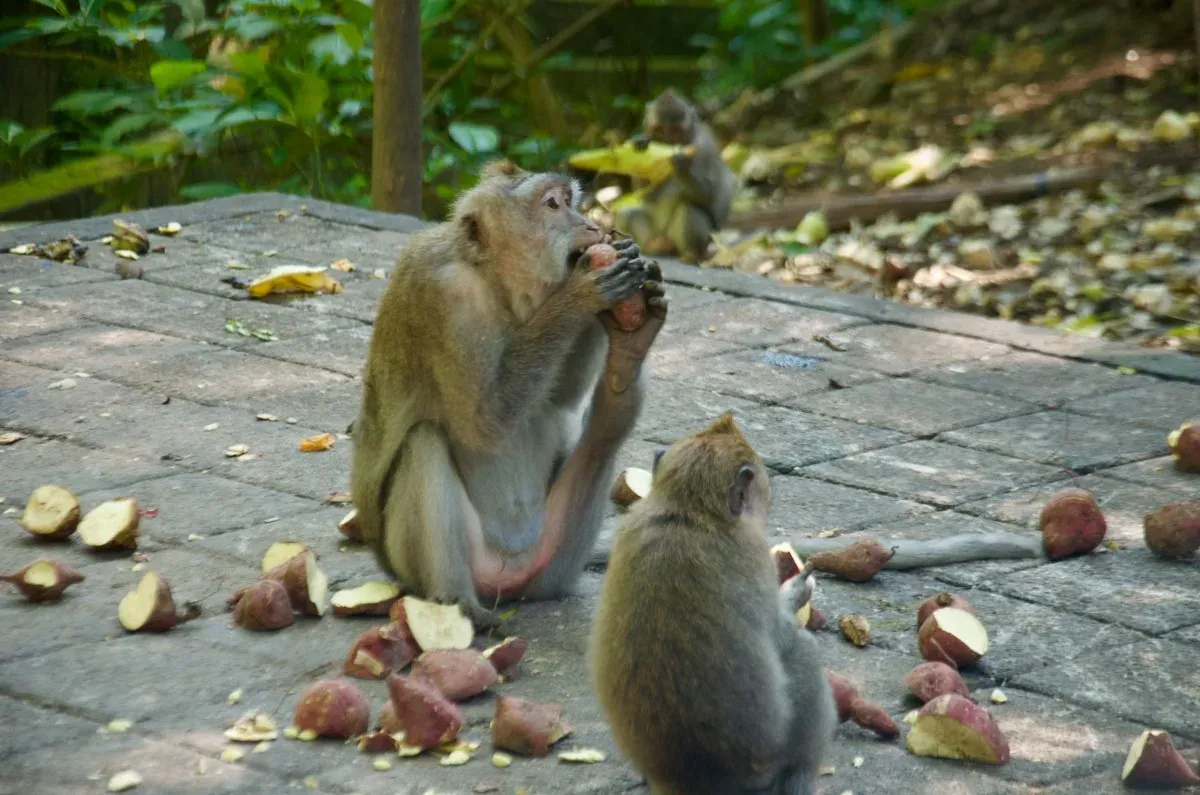
The Sacred Monkey Forest Sanctuary (Mandala Suci Wenara Wana) is one of Ubud’s most popular and unique attractions – a natural forest reserve and temple complex home to a large troop of Balinese long-tailed macaques. Over 1,200 monkeys roam freely in this 12.5-hectare jungle sanctuary, swinging through banyan trees and often curiously approaching visitors (especially if they suspect you have food, which is not allowed!).
The setting is truly enchanting: mossy walking paths wind under towering nutmeg trees, leading to ancient guardian statues and three holy temples deep within the forest. Monkeys here are accustomed to people, and while they can be mischievous (hold onto your hat, glasses, and water bottle!), observing them up close in their habitat is delightful.
Entrance Fee: The sanctuary requires an entry ticket–about Rp100,000 for adults on weekdays (a bit higher on weekends). It’s open daily from roughly 9 AM to 5 PM, with the last entry at 5 PM.
Official staff are stationed throughout to ensure both monkeys and humans stay safe; be sure to follow the guidelines (no feeding, no touching the monkeys, and secure your belongings). Inside, you’ll also see the 14th-century Pura Dalem (temple of the dead) and two other sacred temples, which give the forest its “Sacred” character.
A walk through Monkey Forest is both fun and fascinating–truly an Ubud must-see experience that connects you with Bali’s natural and spiritual heritage (and its cheeky primates).
10. Bali Eco Cycling

For a change of pace, consider joining a Bali Eco Cycling tour–a highly rated outdoor activity that lets you explore Ubud’s countryside on two wheels. Bali Eco Cycling is an Ubud-based tour company famed for its eco-educational bike trips through local villages, rice fields, and backroads. It’s a fantastic way to immerse yourself in Balinese culture and nature in one go.
Typically, the day starts with a pickup from your accommodation and a drive up to a highland area (often Kintamani) for breakfast with a volcano view. Then, you hop on a bicycle and cycle downhill through picturesque rural areas around Ubud–passing coffee plantations, temples, and traditional family compounds.
Along the route, the knowledgeable guides will share insights into Balinese life, agriculture, and spiritual practices. You might stop to watch farmers planting rice or to visit a local home for a warm greeting. The cycling is mostly easy (it’s largely downhill and on small village roads), suitable even if you’re not an avid biker. Tours usually include all equipment, lunch in a village, and support vehicles.
Booking & Info: Bali Eco Cycling tours depart daily; advance booking is recommended. The main office is in Ubud (Jl. Raya Pengosekan), about a 5-minute drive from the Monkey Forest. This experience does have a separate fee (prices can be around Rp600,000 per person for a shared group experience).
If you’re looking to see the “real” Bali beyond tourist sites, this eco-cycling adventure is an excellent choice–combining sightseeing, exercise, and cultural education. It’s no wonder it often tops the list of must-do activities in Ubud for many travelers.
11. Agung Rai Museum of Art (ARMA)

Art enthusiasts should not miss the Agung Rai Museum of Art, commonly known as ARMA, which is one of Ubud’s premier art and cultural centers. This museum was founded by Agung Rai, a Balinese art collector and patron, with a mission to preserve and celebrate Indonesian art. Set amid beautifully landscaped gardens and traditional Balinese pavilions, ARMA offers an immersive journey into Balinese and Indonesian art.
The collection is impressive and diverse: you’ll find everything from classical Kamasan paintings (epic Hindu tale depictions on tree-bark paper) and Batuan-style paintings rich with detail, to works by famous foreign artists who lived in Bali (like Walter Spies and Rudolf Bonnet), as well as contemporary Indonesian art.
Strolling through the museum’s open-air halls and galleries, you can easily spend a couple of hours appreciating the art and tranquility–the environment itself is very peaceful, complete with koi ponds and flowering trees. ARMA is more than a museum; it regularly hosts cultural workshops, painting classes, dance performances, and has an excellent café inside.
Entrance Fee: The ticket costs around Rp100,000. ARMA is open daily, approximately 9 AM to 6 PM. Given its cultural significance and atmosphere, many consider ARMA a must-visit to truly understand Ubud’s artistic soul.
12. Folk Pool & Gardens
After a long day of sightseeing, how about unwinding at Ubud’s first swim-up pool bar? Folk Pool & Gardens is a stylish tropical oasis in the heart of Ubud where you can relax, swim, dine, and even catch an outdoor movie.
Tucked away off Monkey Forest Road, Folk is designed as a lush garden enclave with a central swimming pool surrounded by private daybeds and teepee-style cabanas. The vibe is laid-back and fun: during the day, you can float over to the bar for cocktails and enjoy poolside snacks, and in the evening, the place often hosts events like a twilight poolside cinema under the stars.
The menu caters to all, from Indonesian favorites to international comfort food, and they have a solid range of creative drinks. Opening Hours: 12 PM – 10 PM daily. Entrance to Folk Pool & Gardens is free; you just need to meet a minimum spend if you want to reserve a daybed or cabana (or you can just drop in for food and a swim).
The atmosphere here attracts a mix of travelers and hip locals, making it great for socializing or simply chilling out. With music playing and palm trees swaying overhead, Folk Pool & Gardens offers a refreshing break from temple-hopping.
13. Hujan Locale

Ubud’s culinary scene is renowned, and Hujan Locale stands out as a top dining spot to savor Indonesian cuisine with a creative twist. Located on Jalan Sri Wedari off the main road, this restaurant is the brainchild of chef Will Meyrick (celebrated for establishments like Honey & Smoke and Mama San).
The concept marries the soul of a local warung with the sophistication of modern dining. Hujan Locale’s menu is all about farm-to-table Indonesian dishes. Think of regional recipes and street food inspirations elevated with high-quality local ingredients and beautiful presentation. From succulent sate lilit (minced seafood satay) and Balinese-style pork belly, to Javanese curries and Sumatran beef rendang.
The restaurant itself is set in a charming two-story shophouse with vintage tropical décor; the ambiance is relaxed and stylish without being pretentious. Opening Hours: Hujan Locale is open from 12 PM – 10 PM daily. It’s recommended to reserve a table, especially for dinner, as it’s popular among both tourists and expats.
While dining here, don’t miss their signature cocktails, which incorporate local spices and fruits – they complement the food nicely. For foodies seeking must-visit places in Ubud to eat, Hujan Locale is a highlight.
Also Read: Eat Like a Local: 8 Best Places to Eat in Ubud!
14. Juwuk Manis Massage Ubud

After trekking through temples and rice fields, a massage might be just the thing you need. Juwuk Manis Massage Ubud is often praised as one of the best massage spots in town – a little sanctuary to relieve travel fatigue.
Located on Jalan Kajeng, at the end of a quiet lane north of Ubud Palace, Juwuk Manis is a modest, family-run spa known for its skilled therapist, Ibu Ida. Under her expert hands, guests experience a unique blend of gentle stretches, medium-pressure techniques, reflexology, and aromatherapy that works wonders on sore muscles.
Prices: Massages here are very reasonable (around Rp145,000 for a traditional Balinese one-hour massage, with various packages available). It’s best to make a reservation because Juwuk Manis’s growing reputation means slots can fill up fast.
It’s the perfect way to end your day of exploring Ubud – truly a hidden gem and a must-visit for self-care while you’re here.
Also Read: Bobocabin Ubud: The Ultimate Bali Getaway with Your Furry Friend!
Closing: Stay in Comfort at Bobocabin Ubud, Bali

After mapping out all these amazing Ubud attractions, you’ll want a comfortable and memorable place to unwind. Bobocabin Ubud offers just that. A cozy retreat where you can immerse yourself in Ubud’s natural beauty without sacrificing modern comforts.
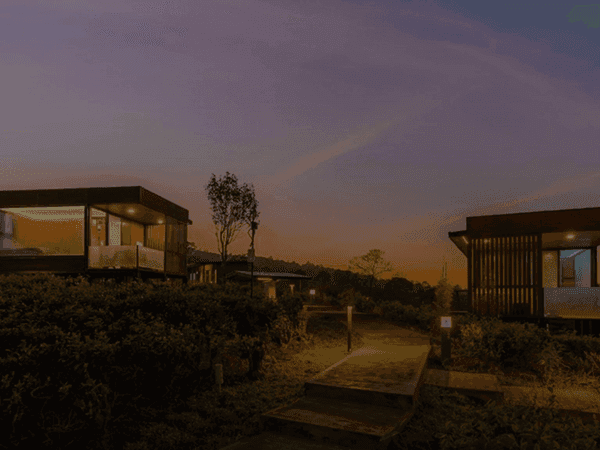
Nestled in the lush greenery of Tegalalang (only about 4 km from Tegalalang Rice Terrace and a 15-minute drive from Ubud center), Bobocabin provides innovative cabin accommodation that blends technology with nature.
Each cabin is a chic, compact space equipped with smart features controlled via the Bobopod. Inside, you’ll find a clean and minimalist design: a quality bed, air conditioning, an en-suite bathroom with a hot shower, and a large smart window and terrace that opens up to tranquil jungle or rice field views.

Waking up to the sound of birds and stepping outside to feel the cool Ubud morning breeze, it’s a refreshing experience that regular hotels can’t quite match.
At Bobocabin Ubud, you can enjoy campfire gatherings, outdoor BBQ facilities, and even stargazing on clear nights, all within the property’s safe and friendly environment. It’s an ideal choice whether you’re seeking solitude or a unique bonding time with friends/family.
Plus, the location is convenient for exploring northern Ubud’s highlights like Tirta Empul, Gunung Kawi, and Tegallalang, while still reachable to Ubud town for the market and palace. By day, you can venture out to Ubud’s must-see sites on our tourist map, and by night, you can retreat to your own snug cabin under the Balinese stars. The combination of nature, innovation, and comfort makes a stay at Bobocabin Ubud a special part of your Ubud adventure.
Ready to explore Ubud? Don’t forget to download the Bobobox app to book your stay at Bobocabin Ubud and manage your smart cabin features. See you in Bali!
Writer: Syifa Nuri Khairunnisa
Featured Photo: Ruben Hutabarat via Unsplash