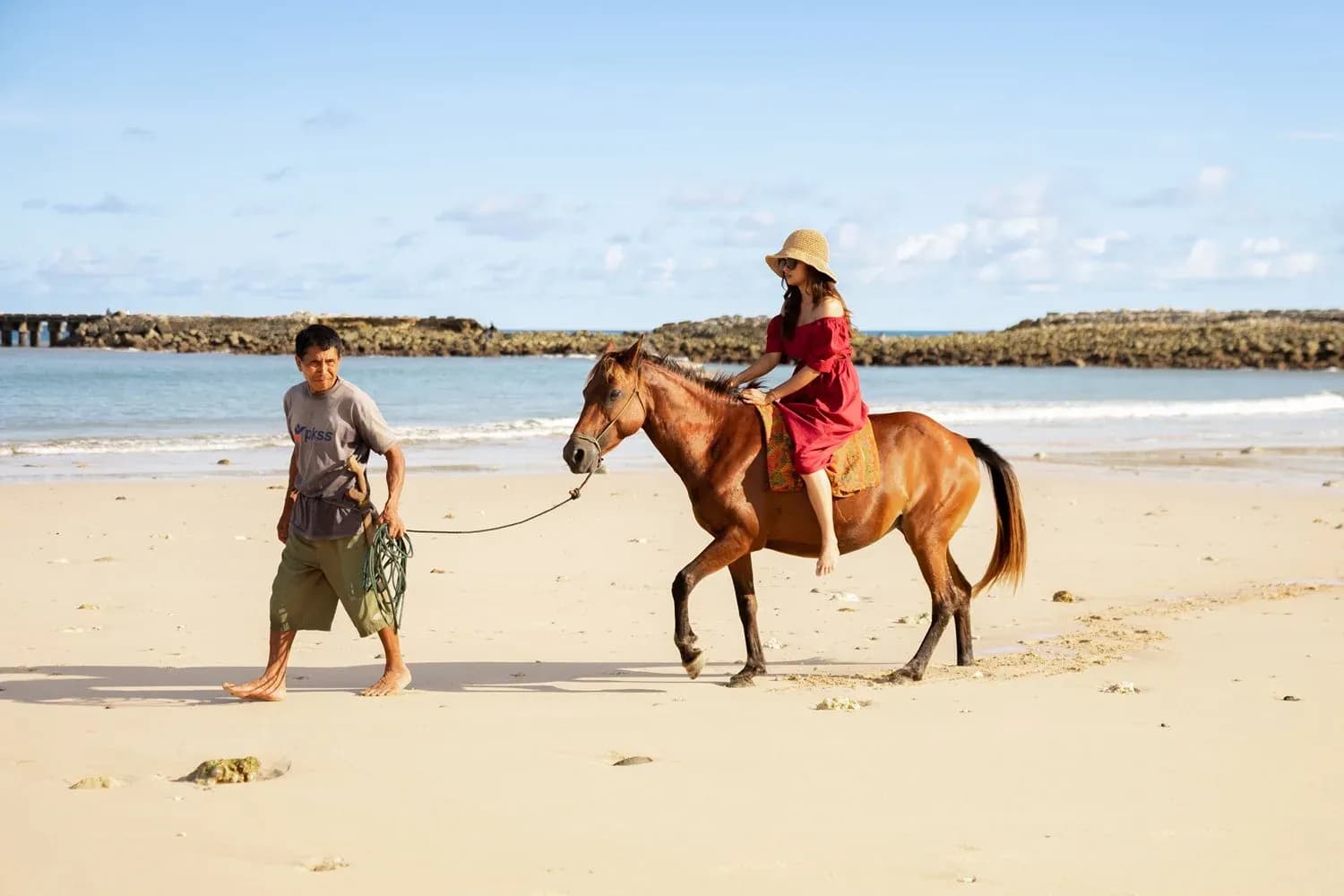
Looking for an extraordinary yet short escape from your daily routine? How about an unforgettable 3-day, 2-night adventure in Sumba?
Sumba, a gem in East Nusa Tenggara, offers breathtaking landscapes, pristine beaches, and rich cultural heritage that will leave you in awe. Known for its savannah-covered hills, crystal-clear lagoons, and unique traditional villages, this island is a perfect getaway for nature and culture enthusiasts.
In just three days and two nights, you can experience a variety of Sumba’s natural and cultural attractions, including the turquoise waters of Weekuri Lagoon and the undulating savanna of Wairinding Hill. Keep in mind that Sumba is a large island, and many sights are separated by long drives, so this itinerary works best with a private driver or local guide.
Curious how you can make the most of your short holiday in Sumba? Here’s a well-planned itinerary by Bob to guide your adventure!
3 Days 2 Nights in Sumba: Day 1
Nihiwatu Beach/Pantai Nihiwatu

Pantai Nihiwatu, or Nihiwatu Beach, is not just a beach; it’s an international icon. Located on Sumba’s western coast, this pristine stretch of white sand has earned global acclaim for its natural beauty and world-class surf breaks.
The beach is particularly popular among surfers, offering challenging waves that attract professionals from around the globe. However, even if surfing isn’t your thing, the serene ambiance and crystal-clear waters make it a great spot to relax or take a peaceful walk along the shoreline.
Access to Nihiwatu Beach can depend on the activities and arrangements that are available through Nihi Sumba. Therefore, visitors should check the resort’s current access and activity policies before planning a stop here.
Nihi Sumba currently lists activities such as snorkeling and stand-up paddleboarding among its water experiences, subject to weather conditions.
Also read: Pantai Nihiwatu, Pantai Terbaik Dunia dengan Ombak Spektakuler
Lapopu Waterfall/Air Terjun Lapopu
Air Terjun Lapopu is a spectacular multi-tiered waterfall in the Manupeu Tanah Daru National Park area, surrounded by lush greenery and natural scenery.
The walk from the parking area is fairly short, but conditions can vary depending on the weather. During wet periods, stronger currents and muddy water may make swimming or getting close to the falls unsafe. Therefore, always check local conditions before entering the water.
Also, rather than relying on the old Rp5,000 entrance-fee figure, check the latest local fee when you arrive, as entrance charges can change.
3 Days 2 Nights in Sumba: Day 2
Wairinding Hill/Bukit Wairinding

Bukit Wairinding/Wairinding Hill Sumba is a must-visit for anyone exploring Sumba. The hills are covered in savannah grasslands that change color with the seasons, creating a dynamic landscape. The landscape is generally lush during the rainy season and turns golden-brown during the dry season, making either period visually distinct.
The rolling hills provide an excellent vantage point for panoramic views and are especially stunning during sunset when the skies light up with hues of orange and pink.
According to Indonesia's official tourism website, the hill is about a 30-minute drive from the center of Waingapu, although the actual journey time may vary depending on road and traffic conditions. Also, the site currently does not list an entrance fee. However, advisors are still advised to follow local guidance and keep the area clean.
Walakiri Beach/Pantai Walakiri

Pantai Walakiri is famous for its iconic mangrove trees that create striking silhouettes against the sunset. These trees, often called the “dancing mangroves,” are unique to this beach and add an ethereal charm, especially during low tide when they are fully exposed.
If you want to see the famous “dancing mangroves”, make sure to check the tide conditions before visiting. Also, the appearance of the mangroves depends heavily on how much of the shoreline is exposed. That’s why timing your visit around low tide can truly make the experience more rewarding.
3 Days 2 Nights in Sumba: Day 3
Weekuri Lagoon/Danau Weekuri

Weekuri, or Weekuri Lagoon, is a stunning saltwater lagoon that mesmerizes visitors with its crystal-clear turquoise waters. Located in Southwest Sumba, the lagoon is surrounded by distinctive rocky cliffs and is ideal for swimming, relaxing, and taking in the scenery. Basic facilities are also available around the area, although visitors should not expect resort-style amenities.
Since local facilities and fees can change, it’s recommended to confirm current charges and available amenities locally rather than just relying on the previous claim that entry is always free.
Also read: The Ultimate Guide to the Best Time to Visit Sumba Island: Discover the Perfect Season!
Mandorak Beach/Pantai Mandorak

Pantai Mandorak is a secluded beach located just a short distance from Danau Weekuri. The beach is a hidden gem with soft white sand, clear blue waters, and beautiful rocky formations.
The water around Mandorak can have strong waves, so it is better treated as a scenic stop rather than a swimming spot you must try. Its distinctive rock formations also make it particularly worthwhile for photography and sunset views.
Ratenggaro Traditional Village/Kampung Adat Ratenggaro
End your journey with a visit to Kampung Adat Ratenggaro, one of Sumba’s most famous traditional villages. The village is known for its unique Sumbanese houses, called Uma Kalada, with high thatched roofs that can reach up to 15 meters.
The village is also associated with megalithic graves and located close to the shore, giving visitors an opportunity to take in Sumba’s unique cultural landscape and architectural traditions.
When visiting traditional villages, make sure to dress modestly and follow local guidance, especially when entering homes or photographing residents.
When Is the Best Time to Visit Sumba?
For greener landscapes, consider visiting during the wet season, while the dry season generally provides the golden-brown savannah scenery Sumba is known for. Also, make sure to always check local conditions in advance before leaving because many attractions are outdoors and some roads can become more challenging during the rainy season.
If you want to attend the Pasola Festival, remember that its timing is related to the Nyale season and local traditional calendars. It usually takes place in February or March, but the precise dates and venues change, so make sure to check the most recent announcement before planning your vacation around the event.
Also read: Top 10 Reasons Why Visiting Sumba is Worth It
Stay Comfortably at Bobocabin Umarato, Sumba

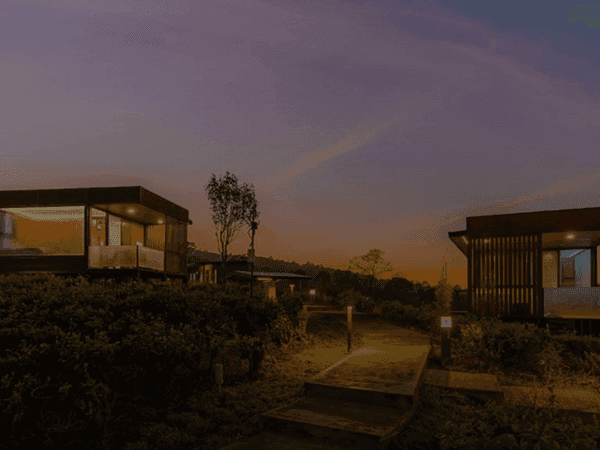
For a comfortable and unique lodging experience, stay at Bobocabin Umarato, Sumba, located in Wanokaka. Nestled amidst nature, this glamping-style accommodation offers modern amenities with the charm of a rustic retreat.
Before booking, make sure to check the latest Bobocabin listing for current room facilities, available activities, and transportation options, as these offerings may change over time.
For added convenience, consider arranging transportation and your itinerary in advance, especially if you plan to visit multiple areas of Sumba within three days. A local driver or guide can also help navigate longer routes and changing road conditions.
Plan your dream getaway today by downloading the Bobobox app and booking your cabin in advance for an unforgettable 3-day, 2-night Sumba experience!
Featured photo: Bobobox Internal Asset